Weight loss is no easy task. And many of you understand this. Unfortunately, cardiovascular disease remains the leading cause of death in the United States. About two-thirds of Americans are obese, and they are at risk for developing heart disease and type 2 diabetes. There are limited options in medical treatment for obesity; consequently, lifestyle modifications remain the first-line treatment for obesity. I also suffered from obesity as a child. I grew up being the “fat kid” around the block and was made fun of. Obesity carries a physical but also a mental burden on our well-being. This article will talk about the principles and tips for weight loss.
1. Start counting calories.

If you are unfamiliar with counting calories, you will need to learn how to do this. Knowing how many calories you consume will allow you to know how to cut back on calories. The general rule of thumb is that 1 gram of carbohydrate is four calories, 1 gram of protein is four calories, and 1 gram of fat is nine calories. There are many tools online that you can use to count calories accurately. I use the MyFitness Pal app on my phone. It is an easy-to-use application, and it allows me to keep track of my macro and micronutrients daily. I also use it to keep track of my weight and take progress photos. They have virtually every food available on their calculator, and you can even purchase the premium version, which can help break down the macronutrients for you. Calculate your total maintenance calorie and cut back 200 calories weekly until you see progress.
2. Portion control with intermittent fasting

My biggest challenge when it comes to weight loss is portion control. I tend to over-eat and underestimate the calories I consume. One way to combat this is to meal prep. You can either eat the same food every day, pre-make all the meals, or purchase meal-prep services. Since you are meal-prepping, it is easy to calculate your macro and the total number of calories you prefer. I use FoodieFit, a meal prep company located in Las Vegas. They help me with portioned meals that are nutritious and do not taste bad. However, the principle is the same, and you want to maintain the same amount of calories every day without significant fluctuation. I am not a fan of cheat meals, as they can ruin your entire week of progress within one meal if not carefully executed. You can combine intermittent fasting for additional benefits. For example, I fast for 16 hours and have an 8-hour eating window. I don’t eat breakfast, but I have a larger lunch and dinner.
3. Increase daily exercise and keep track of your steps.

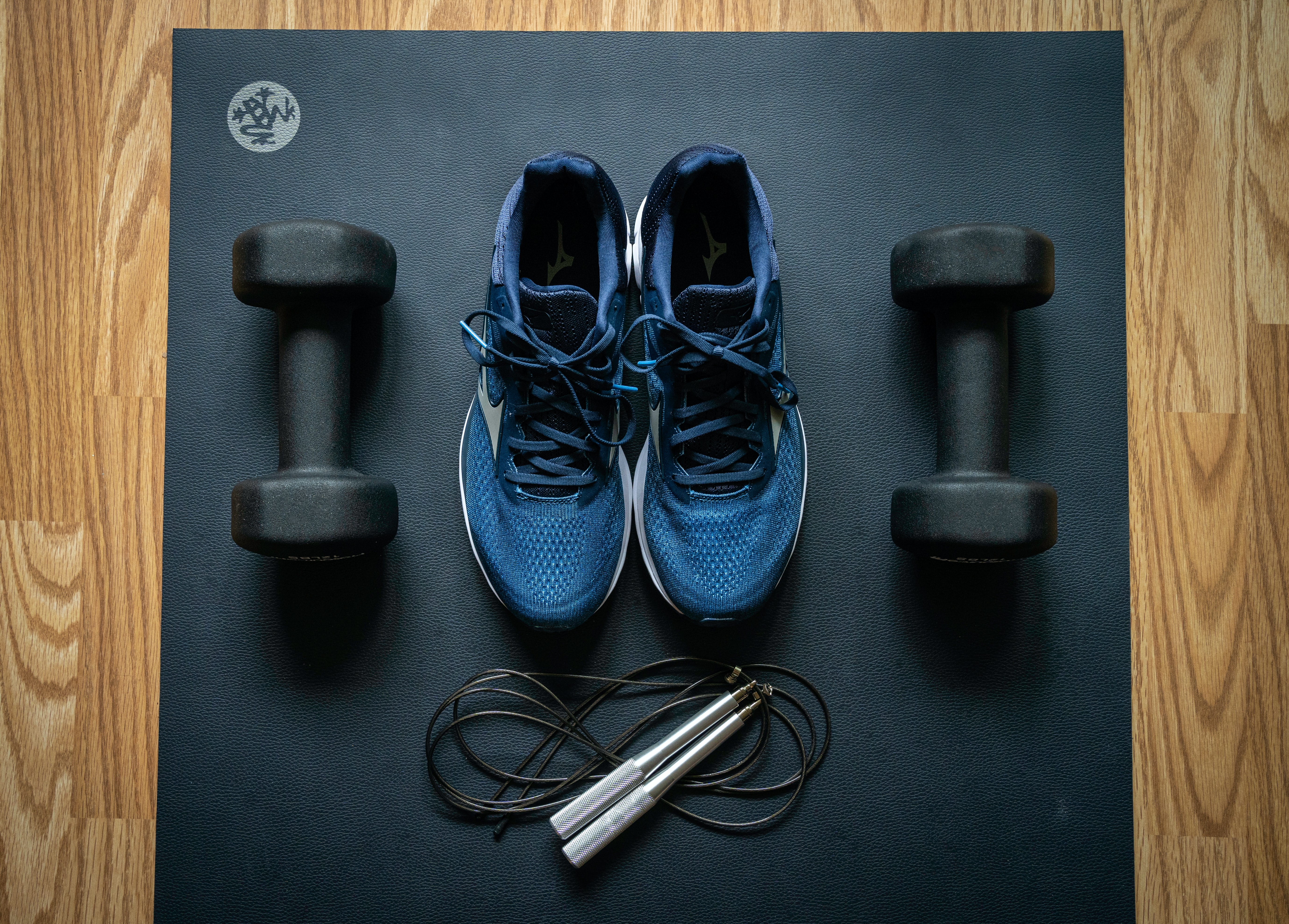
If you are significantly overweight, it can be hard to perform high endurance and intensity exercises. I suggest starting easy-to-do activities like walking on the treadmill or the elliptical for beginners. Walking improves your cardiovascular health, and it is easy on your joints. For many people, running on a treadmill puts a lot of stress on their knees, and you do not want to hurt yourself when you start your new exercise routine. I recommend starting by walking on the treadmill three times weekly for 30 minutes and using your phone or a smartwatch to keep track of your steps. You can also aim for a specific heart rate every time you work out. My personal goal is to reach 10,000 steps each day.
4. Measure your weight daily.
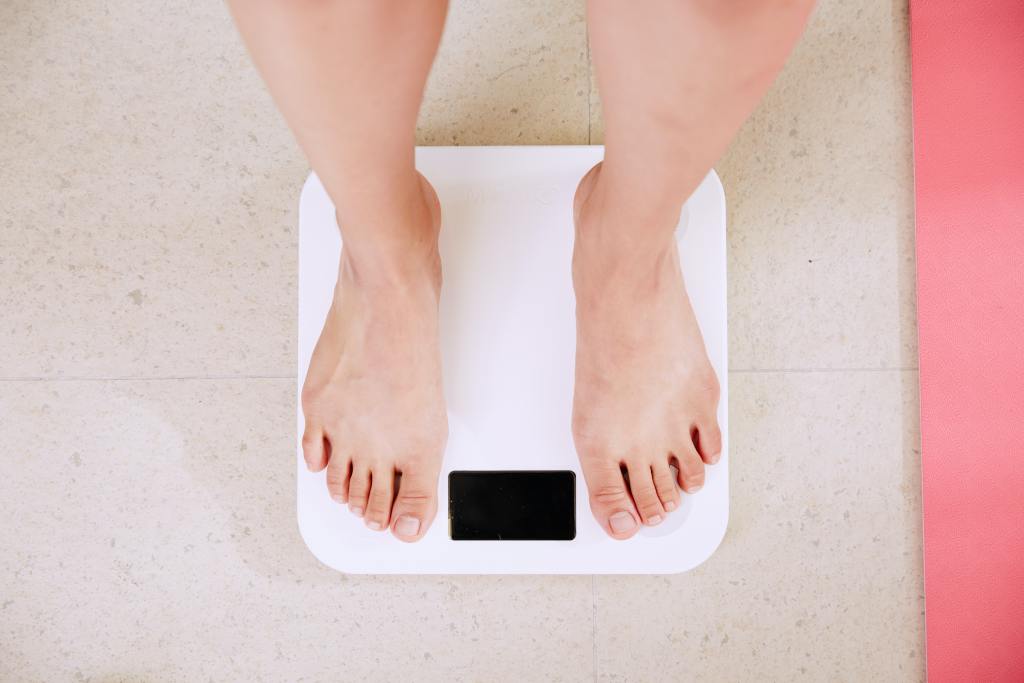
I recommend measuring your weight daily using a scale. After all, you can only implement changes if you know where you stand. Remember, 3500 calories equal one pound of body weight, either muscle or fat. To lose weight, you will need to be at a calorie deficit, including avoiding frequent cheat meals. Knowing your basal metabolic rate and systematically reducing 200 calories daily is a good starting point. You will encounter hunger as the hormone ghrelin increases while you fast. Just know that it takes time for weight loss, and it is only healthy when you lose 1-2 lbs weekly.
5. Increase water intake and reduce sugary drinks.

Contrary to popular belief, drinking water does not increase your weight in the setting of normal heart and kidney function. Surprisingly, drinking water help to cleanse our digestive system and the toxin build-up in our body. The excreted toxins help your kidneys get rid of additional water while feeling hydrated. If you have no history of congestive heart failure and kidney failure, drinking about 1.5 to 2L of water daily is safe. This will keep you away from sugar cravings and make you feel full. Imagine how many calories you consume when drinking fruit juice or soda instead of water. Each can of Coca-Cola is about 150 calories.
Here we talked about the non-pharmacological and practical methods of weight loss. Again, I emphasize natural weight loss because medications can have a detrimental effect on your health. I have followed these rules and achieved a 25 lb weight loss in 3 months. We will discuss some FDA-approved ways to lose weight in future chapters.