Intermittent fasting is a tremendous tool for weight loss. Historically, the human species have always used fasting to achieve spirituality and health. Most religions in the world recommend fasting in one way or another, such as Ramadan. It is wisdom passed down for thousands of years that fasting may benefit our physical and mental health. Evidence suggests that IF promotes autophagy during prolonged fasting, which is the natural recycling process within our cells. It also stabilizes our blood sugar through gluconeogenesis in the liver by breaking down glycogen storage. Excessive glucose has been shown to increase heart disease and worsen neurological conditions. This leads to heart attacks, strokes, and Alzheimer’s disease. In the past decade, the fitness community has started to recommend intermittent fasting as one of the ways to achieve a lean and toned body. In reality, we have practiced fasting for thousands of years. I have lost more than 30 lbs using IF and exercise without any medical supplementation. And you can do it too. Here is a step-by-step on using IF to jumpstart your weight loss journey.
1. Pick a time interval that suits well with you. Begin with 16-8.

Intermittent fasting is the concept of using the time to restrict eating. It is not a fad diet because it does not ask you to eat a specific diet. It does help with caloric restriction as one can only eat so much food in one meal. The easiest way to perform IF is to fast for 16 hours and eat at an 8-hour window. If you finish eating at 8 pm, you can fast until noon the next day if you skip breakfast. However, you can also cut other meals like dinner as long as you fast for 16 hours without interruption. It is crucial for this period to be continuous because fasting increases glucagon and decreases insulin in the blood. The increase in insulin disrupts this process and leads to a poor IF outcome.
Many people take IF to the next level- 20-4, where they fast for 20 hours and with an eating window of 4 hours. Some may convert their fasting to one meal a day (OMAD). This further increases growth hormone, reduces insulin level, and increases autophagy in the body. OMAD is safe if done correctly. However, not everyone can tolerate the discomfort that comes with prolonged fasting. The level of ghrelin level sky-rockets as you fast, and it causes significant pain at the beginning of your weight loss journey. Some people will experience worsening of their acid reflux, which leads to dyspepsia. Others will have fatigue, cold intolerance, and binge eating. As a result, you will need to ease your way into this type of IF. But most people will tolerate a 16-8 routine without side effects.
2. Do not consume any calories in the fasting period.

If you look for information on the internet, you will find that there is food that you can consume during your fasting period. One rule of thumb to remember is that you cannot consume food that contains calories. That leaves a limited number of items you can consume. Drinks such as black coffee without sugar and cream are an excellent choice. Caffeine increases metabolism and energy levels. It binds to the adenosine receptors in your nervous system. This leads to increased heart rate, energy metabolism, and alertness. I recommend staying hydrated while consuming coffee because it helps with food cravings. Dehydration due to extreme dieting and caloric deficit can cause detrimental effects on your thyroid health. It also increases cortisol levels, which paradoxically increases abdominal fat storage, leading to central obesity and the “skinny-fat” phenomenon.
3. Use IF in combination with diet modification and exercise routines.
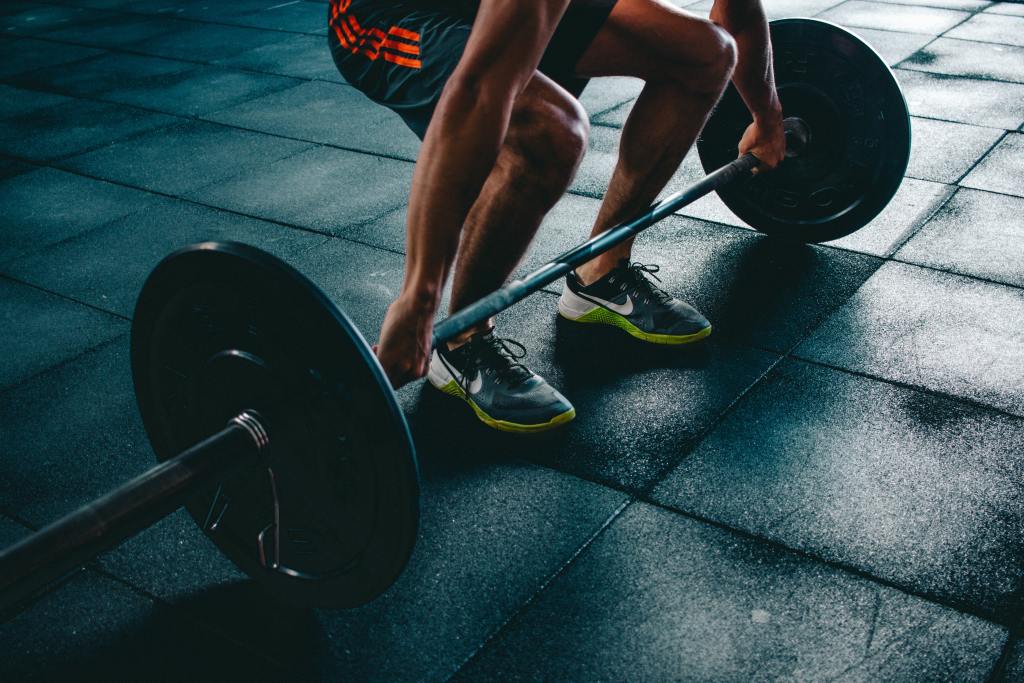
It is no secret that you can combine dietary modification and exercise routine during IF. The most common method is to combine a ketogenic diet with intermittent fasting. Consuming food with a low glycemic index will help stabilize your insulin level. It provides a high satiety level from the high amount of protein and fatty acid. It also encourages lipolysis and allows your body to switch energy metabolism from carbohydrates to fat. The use of fat as an energy source has been documented to be beneficial in many medical conditions. Though they have mixed reviews in adults, ketogenic diets have been shown to reduce the frequency of seizures in children. Newer data also suggest that fat metabolism is associated with the cardiac repair, reducing the level of inflammation in our body. In the setting of IF, by combining fasting with the ketogenic diet, you can enjoy the benefit of both worlds.
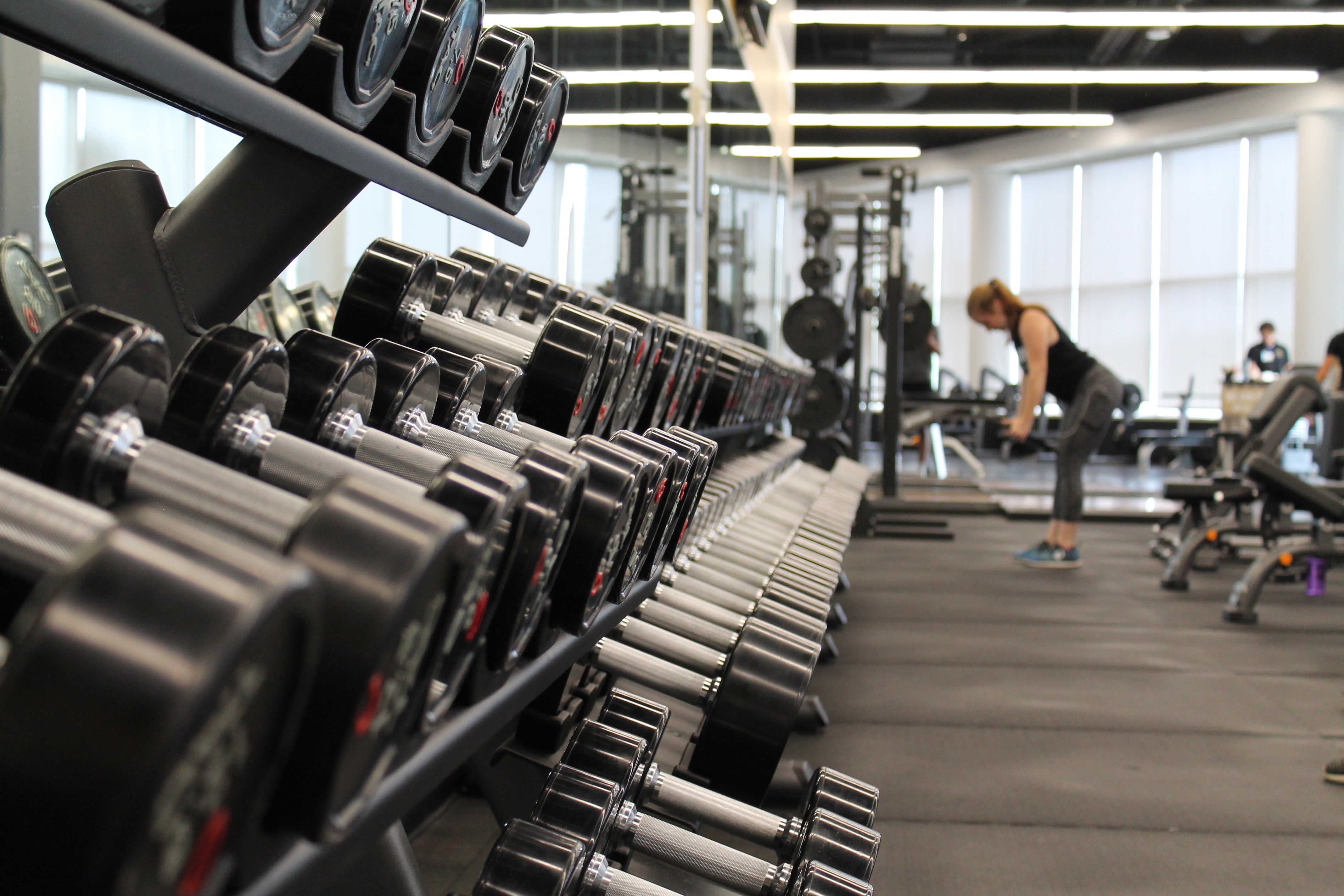
Another common practice is combining fasted cardio with IF. In the morning, the cortisol level in your body is the highest and your insulin level the lowest. In this state, you are less hungry and can tolerate fast training. Your body can also burn fat as a primary energy resource, hence adapting to a new pattern of energy metabolism. I recommend fasted training because it enhances your mental sharpness and promotes weight loss. For most people, start your fast training with low-intensity exercises (LISS) rather than high-intensity interval training (HITT). HITT can be exhausting to your body, and you will likely experience side effects. Also, be careful with fasted training if you take anti-diabetic medication, as you may experience signs and symptoms of hypoglycemia.
4. Understanding that the hunger hormone ghrelin has a half-life of 20 minutes.

Ghrelin is the primary driver of our food cravings. When we feel hungry, our body secrets the hunger hormone ghrelin. It also enhances lipolysis, which is the breakdown of fatty acids to generate energy in the form of ATP. Fortunately, this hormone only lasts for 30 minutes, which is its half-life, or the time it takes to be degraded by half of its original concentration. In obese individuals, ghrelin insensitivity leads to worsening weight gain and binge eating.
With that in mind, we can combat the feeling of hunger by implementing strategies that can prolong the time of fasting. My recommendation is to drink green tea. A good quality green tea provides numerous antioxidants, vitamins, and caffeine that may help reduce cravings. It prolongs longevity, and it keeps you refreshed. It increases hydration, which helps to reduce the sensation of hunger by stretching your stomach. My favorite green tea brand is the Ujido green tea. It is easy to dissolve, and it is a high-grade green tea product imported directly from Japan. The link is at the end of this article if you are interested. Other than drinks, you can also have low-calorie snacks. Try vegetables like celery, carrots, and broccoli instead of having unhealthy options such as the candy bar in between meals. Food like rice cakes is also a low-calorie option that is tasty but still offers weight loss benefits. I always have a stack of rice cakes from Quaker’s oat because they contain complex carbohydrates that are low in glycemic index. It provides quick satiety without an overwhelming amount of calories. It also improves my gut health by having a high amount of fiber.
Overall, intermittent fasting is a safe and effective way to boost your health. It can help with your weight loss journey and allow you to feel more energy. Your first few weeks of intermittent fasting will be tough as your body adjusts to its new routines. However, once you get the hang of it, you will be so glad that you did it. Thank you so much for reading my blog, and good luck with your weight loss journey.
For my list of self-improvement items, check out the books that I recommend,
Rich Dad, Poor Dad: https://amzn.to/39d33lT
The 7 Habits of Highly Effective People: https://amzn.to/3M7JM3K
The Emporer of All Maladies: https://amzn.to/39Gj2ca
Gifted hands:https://amzn.to/38kp1mL
The Power of Habits: https://amzn.to/3MpwHmk
Here are rice cakes and green tea product I endorse,
Quaker Rice cakes: https://amzn.to/3lub4Wk
Ujido green tea: https://amzn.to/3wyFGfy
Disclaimer: I am not responsible for your health. These are not medical advice. Please see your doctor to see if intermittent fasting is proper for you.