
Houseplants can purify the air, but they can also help boost your physical and mental health. Everyone can enjoy a piece of nature at their home without too much work. In the modern era, the demand for houseplants has risen significantly. As we discovered their benefits in our living spaces, many people are now actively looking for exotic plants that they can keep and show off. The large leaf foliage with beautiful flowers in plants is everyone’s dream. I have always dreamed of having multiple plants in my apartment in college. But I have always had trouble keeping them alive. Not until recent years, when I started reading more, now I have had great successes with plants. And you don’t have to have a green thumb to be good with plants. Here are some tips that you can follow to start learning about them.
1. Figure out your watering schedule.
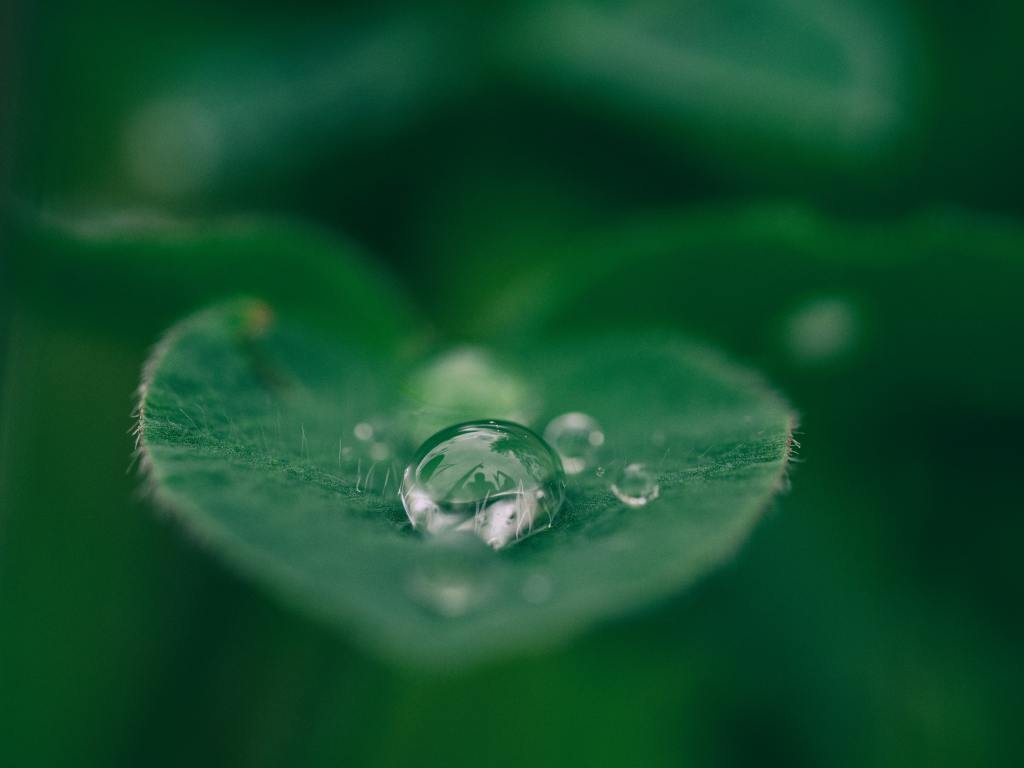
Depending on the type of houseplant you have, the water requirement is different. As you can imagine, plants from the tropical rainforest climate, such as the alocasia, will require much higher humidity and water regimen. On the contrary, plants from the desert, such as succulents, require much less water to survive. As owners, we need to research thoroughly before bringing new plants into our homes. To test out how much water you will need, you should routinely examine your soil. Stick your finger into the ground to explore moisture 2 inches down the pot can tell you how much water is available for your plant. If it is moist, check back in another week. If it is bone dry, start watering the plant thoroughly. In general, plants purchased from the nursery will require weeks to adjust to your new home environment. As a result, they will not need as frequent watering as compared to plants that are well established. Please provide them with sunshine and intermittent watering to help them adjust.
Another way to examine the moisture level in the soil is to use a moisture meter. Many commercially available meters are made for indoor and outdoor plants. Place them into the soil about halfway down the pot and close to the central root. The moisture meter will tell you how much water is available. Unfortunately, they appear very techy and do not have a modern vibe. The Sustee moisture meter (link at the bottom of the article) is very esthetically pleasing. The meter changes color from white to blue when the soil is moist. You only need to water the plant when the meter changes from blue to white. Using these meters, you can safely gauge how much water is required for your houseplants.
2. Make sure there are drainage holes in your pots.
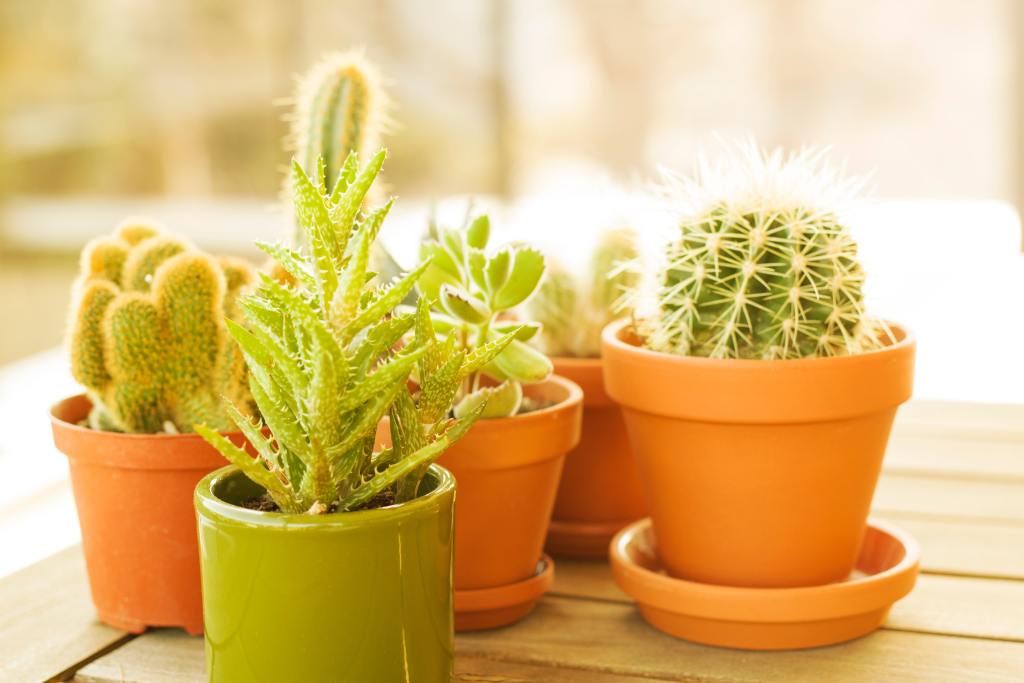
Plants that sit in stagnant water will eventually develop root rot. Some of the symptoms include browning and yellowing of the leave. Over-water in plants exacerbates these symptoms. One of the most important things to do is to have drainage holes in the pot to prevent root rot. Lift your pot and see if there is a drilled hole at the bottom of your pot. Drainage holes in pots will allow excess water to flow through your soil and be collected on the saucer. Then you can remove the excess water.
The types of pots and soil media can also help prevent root rot. Terracotta pots are fired clay pots with micro-pores that allow you to air-dry your soil. Soil loses its moisture content more frequently when the plant is potted in a terracotta pot. You will notice plants that require a lot of water, like the Monstera Deliciosa, will need to be watered as frequently as twice weekly. If you are slightly heavy-handed, you may want to consider re-potting your plants in a terracotta pot. On the other hand, plastic containers trap the water into the soil and do not allow proper hydration. This makes plants to be more susceptible to root rot.
Soil media like perlite are volcanic stones that have high absorbent properties. It reduces the overall water content in the soil, hence improving aeration and preventing root rot. Plants’ roots require free-flowing air and the perlite in the earth can increase the soil’s air concentration. Most commercial soil products for indoor plants have about 20-30 percent perlite. I recommend Espoma organic potting mix as I have had the most success with them. (link is at the end of the article)
3. Keep drought-tolerant plants.
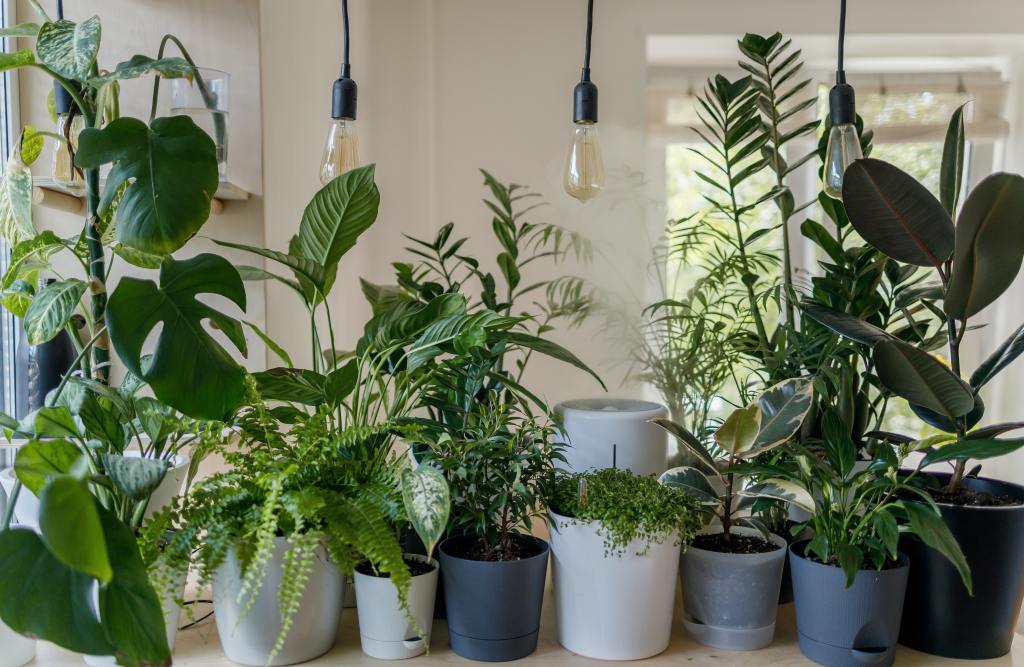
Some plants are more tolerant to drought than others. If you often forget to water your plants, you should keep these plants in mind when purchasing from the nursery. Plant such as the pothos, ZZ plants, and succulents are known for their tolerance to drought. They are straightforward to grow and do not require a lot of moisture. However, it would help if you still tried to water them every two to three weeks. If they are not getting enough water, I recommend placing these plants away from direct sunlight in the room. Excess light can burn their leaves and causes yellowing of the lower leaves. These plants are often grown in the desert climate and have succulent leaves that can store water. On the contrary, plants grown in the tropical forest type of climate will be complex for you to succeed. Plants such as Fiddle leaf fig and ficus variants will require more frequent inspection and care than I mentioned before.
4. Understand that different water sources may affect plant health.
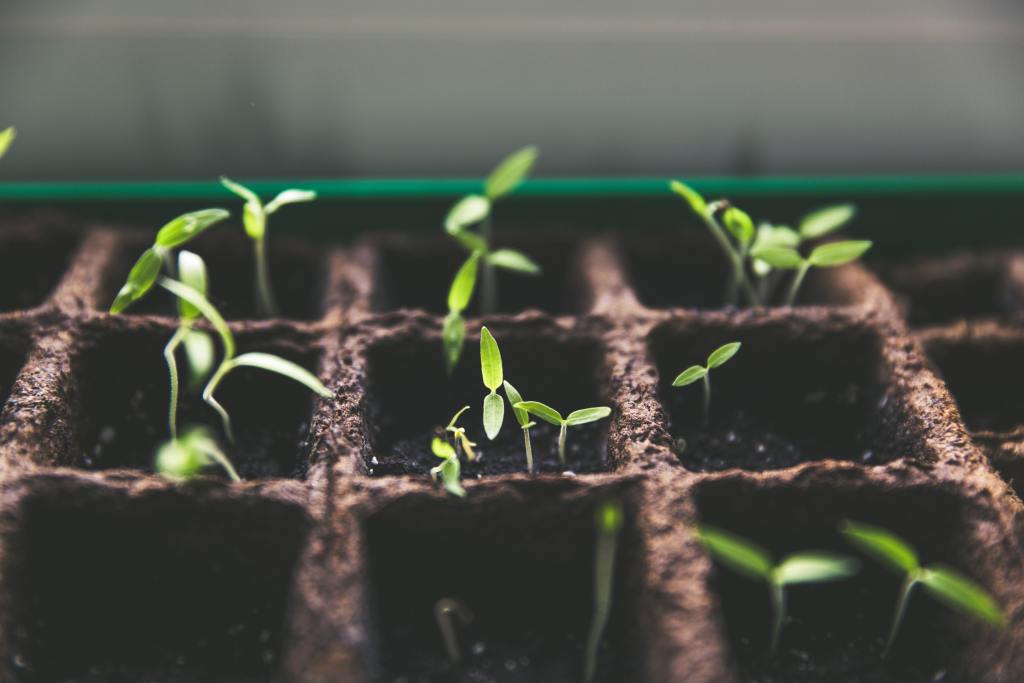
Different water sources can affect root development. Water high in chlorine and chloramine, such as tap water, can burn the plants’ roots and impede nutrient absorption. It also gets rid of healthy bacteria located in the soil that may lead to fungal growth. Also, tap water is unpredictable depending on the area you live in. Tap water in certain areas contains a very high mineral content. The high calcium and magnesium content can leave deposits on the plant root. This will dry out the roots and prevent them from absorbing nutrients and water despite frequent watering. Other water, such as well water, can also contain sulfur or other heavy metals that can kill plant roots. For beginners, I recommend using RO water for their plants. It contains little to low mineral content, does not contain harmful bacteria, and does not retain residues after evaporation. I have had the best success using a RO unit since moving out of my college apartment. Investing in a good RO unit and a TDS meter can help you identify your water quality.
5. Figure out your lighting situation.

Plants need a light source to encourage photosynthesis with their chlorophylls. Plants bought at the nursery are often grown in an environment where they have an ample amount of sunlight. They were placed in the perfect setting, such as a greenhouse with plenty of nutrients and water. The purpose of these farms is to grow them as quickly as they can to sell them on a commercial level. However, our homes often do not have enough sunlight to allow the same amount of growth to occur. As a result, the plants tend to grow poorly in the homes. They tend to have leggy vines, yellowing the leaves, and developing root rot.
Most people place their plants next to a window, and I think this is the best practice in providing enough sunlight to our plants. It is also essential to understand the direction of our windows. East-facing windows are generally preferred because it gives a dose of the morning sunshine to the plants. On the contrary, south-facing windows typically have very harsh direct lighting that can burn the leaves if the plant is not acclimated correctly. To figure out your window direction, stand in front of the window, and use the compass application on your phone. You can also identify where the sun is coming up from in the morning. Most house plants prefer bright but indirect sunlight, but each plant is different.
If you want your plants to be in a dark room or corner, you can also consider installing a grow light. There are many commercially available grow lights available for hobbyists. Make sure to buy a full-spectrum grow light. It mimics the natural sunlight. I prefer Soltech lights, Mother lights, and the Aspect grow light. They are all very stylish and fit well with the modern home. They are also full-spectrum lights that allow seeds to germinate and promote total plant growth.
Thank you for reading my blog and visiting my other articles regarding all things aquarium and plant keeping. These are the general tips that can be very helpful to beginners in keeping houseplants. The more you experiment, the more likely you will be successful. Good luck with you plant keeping journey. If you have any questions or suggestions, feel free to comment down below.
Check out my favorite collection of plant equipment:
Terracotta pots for fast draining soil: https://amzn.to/3lyiVCd
Propagation station for baby plants: https://amzn.to/3LAsbk0
Stylish water meter to avoid over and under-watering: https://amzn.to/3MDR4fU
Best fast-draining Espoma soil for indoor plants: https://amzn.to/3GalDYb
Aspect grow light: https://amzn.to/39Js6Nq
Buy this water softening system if you want to DIY: https://amzn.to/3NduDOr
Measure your water hardness with this TDS meter: https://amzn.to/3Pi8Rei