
As seasoned hobbyists, we learn to control the quality of our water. The measurement of hardness in the water is critical for the health of the aquarium. This is particularly important when keeping delicate species such as the cherry red shrimp (TDS goal 200-250 ppm) and the crystal red shrimp (TDS goal 80-150 ppm). Caridinias and neocaridinias require different water hardness. When placed in extremely hard water, both species will fail to molt, and the shrimp will die. This is also seen in fish-keeping. The discus fish, one of the most challenging fish to keep in the freshwater hobby, do not fare well in hard water. Hard water calcifies their eggs and limits breeding. Furthermore, high calcium causes constipation and bloating, which leads to swimbladder disease. Most tropical fish come from the Amazon rivers. They survive in pristine soft water low in calcium and magnesium. Other Invertebrates like snails and scaleless fish are also sensitive to calcium and heavy metal. As a result, they do not thrive when they live in an environment that is too drastically different from their natural habitat.
Hard water is rich in minerals such as calcium and magnesium. These elements are found in limestones. And they are generally dissolved in the water in an ionized form such as Ca2+, Cl- and Mg2+. These limestone deposits run through the ground before reaching to your house. If you have hard water stains, you are most likely have hard water. Fortunately, you can measure the total number of ionized molecules in the water using a total-dissolved-solid meter. The TDS meter is a device that measures the conductivity of water. They do not tell you how many individual “things” are in the water, but they can give you an idea of how much total “stuff” is there. As a result, the TDS meter gives you an idea of what is going on in the water source. So you can make adjustments with the water treatment system at home before putting the water into your aquarium. Here are some of the common things you should know when using a TDS meter.
1. TDS represents all of the dissolved solid that has electrical charges.
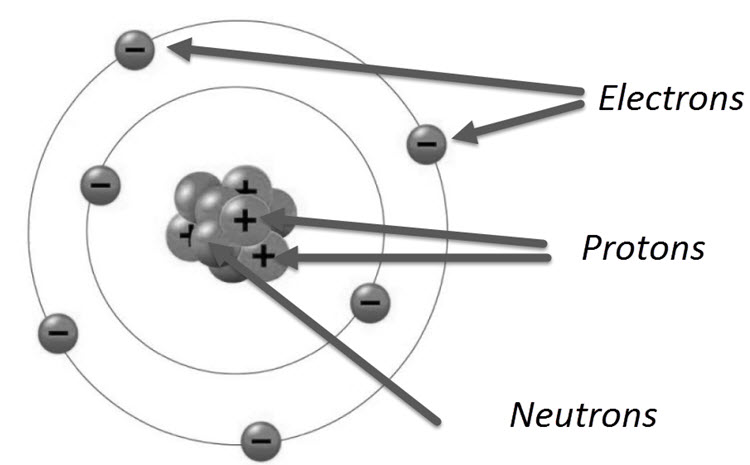 TDS meter measures ionized molecules in parts-per-million. To use a TDS meter, place the meter into the water and make sure there is no dust around the probe. In a few seconds, it will give you a number in ppm, indicating the electrical conductivity of the test water. In general, drinking water should contain less than 200 ppm of hardness. Tap water should be less than 500 ppm. If you have reverse osmosis water at home, most likely, your water will range from 5 ppm to 100 ppm. The water softening company changes out the RO membrane when it exceeds 100 ppm, indicating the membrane’s end of life.
When using a TDS meter, you must understand that it does not measure the number of individual molecules. Therefore, it is impossible to know what is in your high TDS water. It is merely a sum of what is in it. When I dose fertilizers in the water, it increases its TDS. When I put a pinch of salt in the water, it also increases TDS. One should not change their routine solely base on their TDS of the water. However, TDS is a great way to understand when to perform a water change. If your water source has 100 ppm of “stuff” in the water, then you know that there might be new impurities when the same water reaches 150 ppm. Note that water evaporation will also affect the TDS of the water. During evaporation, free water that has 0 ppm leaves the surface via gas exchange. This leaves the salt and the impurities within the water, raising its concentration. This is particularly important if you are in the saltwater hobby. Therefore, I often use TDS as a gauge for a water change if I have sensitive species that require pristine water and nitrate levels.
2. Low TDS does not mean it has zero impurities.
 It is a common misnomer that people equate zero TDS to zero impurities. This is simply not true. The TDS meter measures ionized molecules in the water that can conduct electricity. There are many impurities that does not have electrical charges. In addition, a small amount of these impurities can have a detrimental effect on your inhabitants. For example, you do not need many copper molecules to kill a colony of caridinia shrimp. And your TDS in water can be at the goal, which is 100 ppm! Silica dust can also be inert, and it may not contain any electrical charges, but it can cause algae growth in your aquarium. As a result, do not depend on your TDS meter when dosing fertilizers for your plants. Instead, use specific parameters to measure how much nitrogen compound you have in the water. If you are dosing nitrates, check your nitrate level. If you are growing plants, also check your phosphorus level.
3. High TDS can also be beneficial to your tank.
It would be best to find out where your inhabitants come from in the wild. Some species thrive well with high TDS water. African cichlids, fish that come from the rift lakes of Africa, thrive in salty water with TDS up to 700-800 ppm. The geology of the rift lakes suggests that these fish might have ancestral roots in the ocean. These fish have adapted to live in both fresh and saltwater settings. However, as mentioned before, fish coming from the Amazon river, like the neon tetra, do not do well in hard water. Even though they are now farm-raised and genetically selected to be accustomed to various water hardness. They do not thrive in hard water. Most hobbyists will attest that they have a hard time breeding them in a home aquarium.
On the contrary, fish and plants need minerals to thrive in your tank. As a result, we do not recommend using RODI water as a primary water source. It will stripe away all the minerals from the animal and cause them to have electrolyte imbalances. In fact, in humans, when we give free water through the vein, we see a significant drop in blood sodium level. This may cause seizures and neurological deterioration. Similarly, fish also regulate their sodium level very closely, and it should be maintained at a healthy level. If you use RODI water for your aquarium, you should use a commercially available re-mineralization product to keep the TDS at an optimal range. On a side note, I have never encountered issues mixing tap water with RO water to reach the optimal level.
Many aquarium plants struggle with hard water, but some thrive very well. Common plants like the anubias do well in both hard and soft water. The java fern also thrive in hard water and it is very resilient. My experience does suggest that most plants thrive better in soft water. You will need to experiment and do thorough research before buying. Overall, TDS is a great tool to evaluate the quality of your water. But it also has its limitation and downfall when we do not understand fully what TDS is. I hope this article has been helpful. If you are interested in any of the aquarium products I endorse, please check out the links below. If you have questions, feel free to comment, like, and subscribe. You can always reach out to me. Happy fish-keeping.
Buy my favorite aquarium equipment using the link below:
MarinePure spheres bio-media: https://amzn.to/3M60TTt
MarinePure blocks:https://amzn.to/3l4F8rb
Fluval Biomax: https://amzn.to/3yAGUIy
Bio-media bags (white and black):https://amzn.to/398E5nw
Gold Trace for ranchu goldfish: https://amzn.to/3LG76op
TDS meter: https://amzn.to/3Pi8Rei
My favorite aqua-scaping tools: https://amzn.to/3wFTzc6