
Going to an Urgent Care facility can be easy to get some minor medical care. However, you should not go to urgent care for certain medical conditions. Delay of care in certain situations can lead to significant damage to your health. Although each urgent Care in the United States has a good triage process, you should still understand what conditions can and cannot be treated in this setting. That way, you can go straight to where you need to be and not be delayed in being seen by a medical provider. In my experience, urgent care has limited resources and expertise. Some have X-rays, casting, suturing, and respiratory viral testing. Some don’t have any of these except for a pharmacy. They are not equipped to deal with conditions that require immediate interventions. Here are some situations in that you should be seen at the hospital.
1. Chest pain- possible heart attacks

Having worked in urgent care for part of my career, I have seen many patients come into the office with chest pain. Unfortunately, this is the number one killer in the United States, and we cannot take care of you in the urgent care setting. Symptoms include chest pain, diaphoresis, numbness of the arm, jaw pain, and shortness of breath. Most heart attacks require a life-saving procedure called the coronary angiogram with possible stent placement. Some even need bypass surgery. This refers to blockages in your arteries. No medication can fix a mechanical problem in your heart. You may be given a blood thinner, but you need an interventional cardiologist to help with this problem. We know that if you have a complete blockage of an artery in the heart, you will need to be on the cath lab table within 90 minutes before it causes permanent damage. And this is extremely time sensitive! In the worst-case scenario, you can die from heart muscle rupture. Sadly, I have seen many delays in care when the patient presents to the urgent care. They sat in the waiting room for hours, waiting to be seen. Only to find out later that the medical provider will send them to the Emergency Room for further evaluation.
2. One-sided weakness- possible stroke
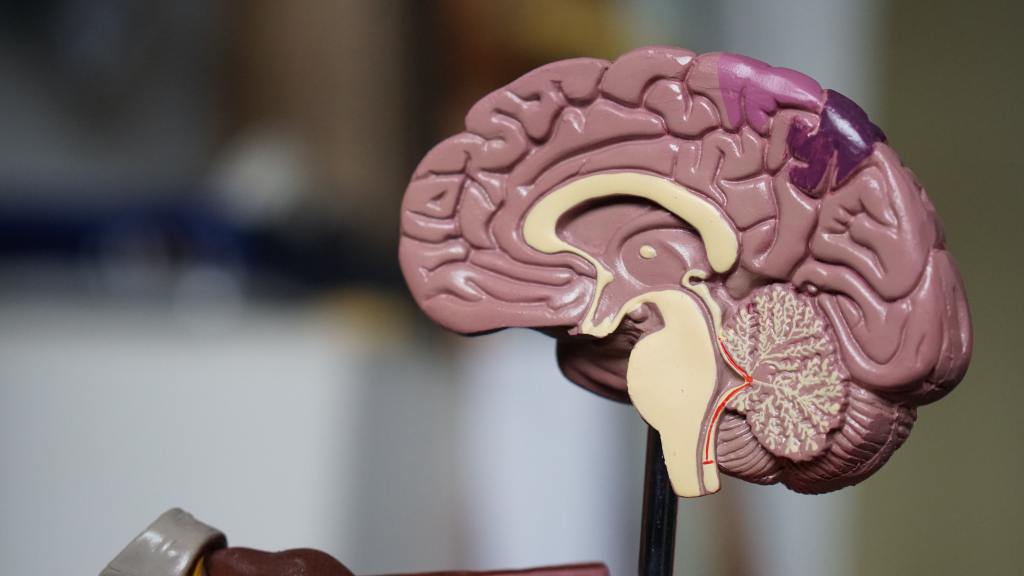
Similar to heart attacks, a stroke is also an emergency. There are two types of stroke, ischemic and hemorrhagic stroke. Ischemic stroke is caused by blockages of arteries, while hemorrhagic stroke is usually caused by uncontrolled high blood pressure. Both of these are time-sensitive when it comes to treatment. You may receive a powerful blood thinner in the case of an ischemic stroke. In some instances, they may even have to do a procedure to remove the blood clot blocking the arteries in your brain. And you will most likely be admitted into the Neuro ICU for observation. If you experience one-sided weakness, difficulty with speech or swallowing, or severe dysequilibrium, you should go straight to the hospital. Do not wait in the urgent care!
3. Car accidents
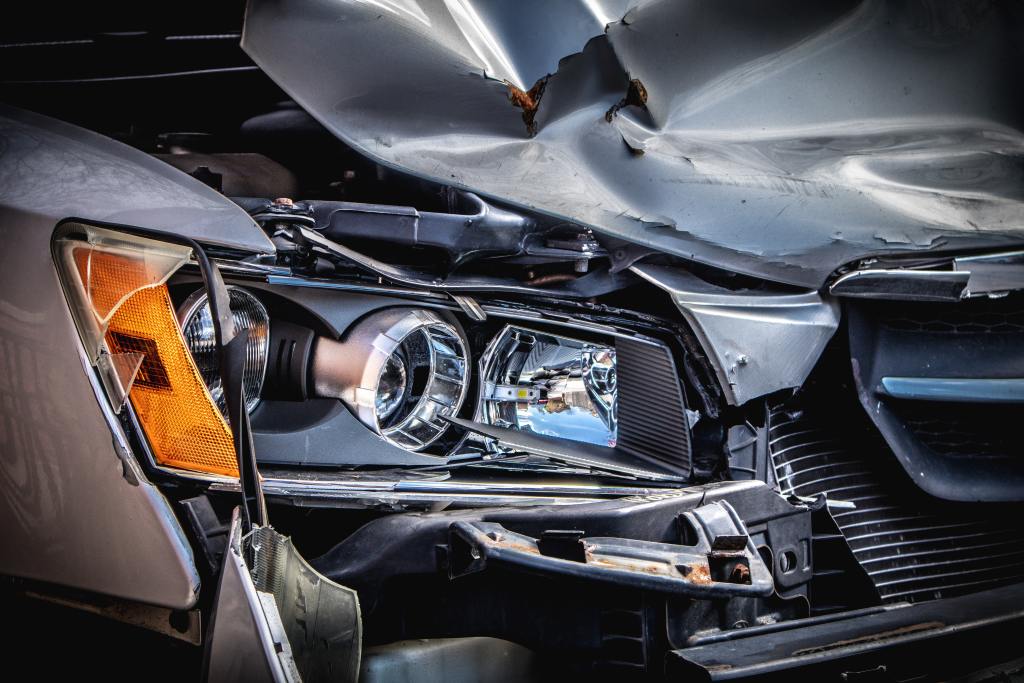
This is a bit more controversial, but I think most car accidents should be seen in the hospital or trauma setting. In a car accident, your body is being thrown inside a metal cage at a very high speed. It is possible to have trauma to your abdomen, head, and chest. You may have internal bleeding, bone fractures, and damage to your heart and lung from the accident. And you may not experience symptoms because of your high adrenaline! I have seen significant bruises on the head, chest, and abdomen that later we find have splenic or liver laceration. I have also seen pneumothorax, a collapsed lung after a car accident. In the worst-case scenario, we cannot tell if you have a spinal fracture at the urgent care. We do have X-rays available, but they are not the best imaging modalities. If there is a fracture in your cervical spine, it may even compress your spinal cord and paralyze you until a neuro and spine surgeon fixes you.
4. Large lacerations

Any large laceration and constant oozing should be evaluated in the emergency department, like in a car accident. Any open fracture should be seen in the hospital setting, meaning you can see bone underneath. They may need to do further irrigation and cleaning before they can close up. If closed up without significant cleaning, you can get an infection in the deep tissue space or, worse, infection into the bone that may require amputation. There are scenarios such as arterial bleed also should not be seen at the urgent care. You will see blood squirting out rather than a slow bleed from the venous system. I have seen significant lacerations that should not be repaired at the urgent care, but because they are bleeding so much we had to close up before losing too much blood.
5. Abdominal pain

Last but not least, severe abdominal pain should not be seen in urgent care. There are so many organs inside of your abdomen. You will most likely recover from a minor food poisoning. You will also likely recover from a bout of bad constipation. However, severe and constant pain should prompt you to go straight to the Emergency Department. Conditions like appendicitis, cholecystitis and ovarian torsion should all be seen urgently in the hospital and be evaluated by surgeons. All of these conditions require surgical intervention. It is unlikely any providers can diagnose any of these entities without imaging, such as a CT scan. Therefore, you waited for hours in the urgent care, only to find out that they had to transfer you to the nearby hospital to get a CT scan. Any delay in diagnosis risks perforation of your bowel and causes severe infection in your abdomen and pelvis.
I hope this blog post is informative for you. Many medical conditions can be seen in urgent care. It is a balance so we can save healthcare dollars and not overwhelm the hospital with minor diagnoses. Please comment, like, and subscribe if you find this blog helpful. Thank you so much for reading.
Disclaimer: This blog post does not provide medical advice. It is intended for informational purposes only. It is not a substitute for professional medical advice, diagnosis, or treatment.
For my list of self-improvement items, check out the books that I recommend,
Rich Dad, Poor Dad: https://amzn.to/39d33lT
The 7 Habits of Highly Effective People: https://amzn.to/3M7JM3K
The Emporer of All Maladies: https://amzn.to/39Gj2ca
Gifted hands:https://amzn.to/38kp1mL
The Power of Habits: https://amzn.to/3MpwHmk
Cook County ICU Interesting Cases: https://amzn.to/3lgzpPp
For USMLE step exam prep books, I recommend:
First Aid Step 1: https://amzn.to/3lyKxXR
First Aid Step 2 CK: https://amzn.to/3G9eYNM
Master the Board Step 3: https://amzn.to/3ly5uCi