
The trailing plants are trendy in the plant-keeping hobby. These plants are the most elegant and easy to keep if you can master the watering and lighting routines. For most of the trailing plants, they are not as demanding as some of the tree varieties. They are easy to keep in a nursery pot compared to plants that require a lot of nutrients and water, such as the Ficus Lyrata, the fiddle leaf fig tree. For most trailing plants, I seldom repot them as they have small root structures, and they are unlikely to become root-bound. They are also readily available in big box stores such as the Home Depot and Lowes. They are inexpensive, and they grow enormous. In this article, we will talk about some common trailing plants you can keep inside your home.
1. The pothos
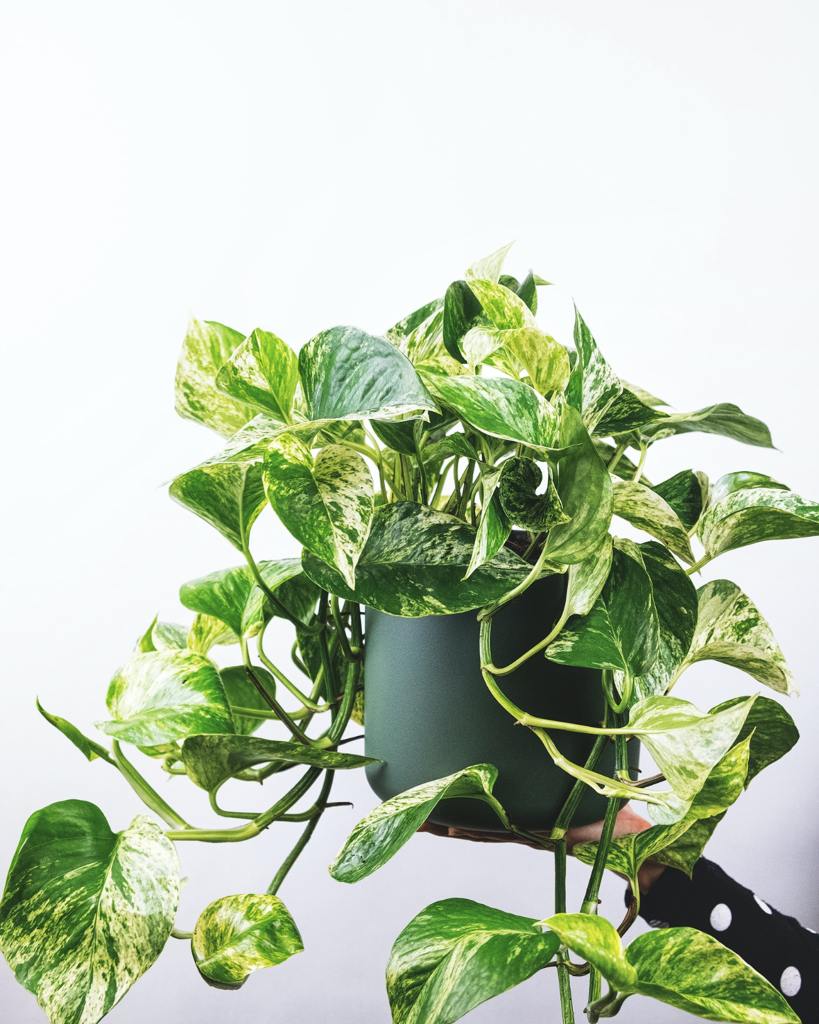
The pothos plant is one of the most common plants in the hobby. Its large heart-shaped leaves and trailing nature make this plant very appealing to hobbyists. Like many other plants, the pothos can be grown in water or soil. They are easily propagated and require low light to thrive. Many people also pair the pothos plant with aquariums to help absorb nitrates due to its fast-growing nature. Make sure to clean the roots before placing them into the water as it can leech fertilizers that may affect your inhabitants. It can be trailed down from the aquarium filter to the side of the aquarium as a hanging plant. It also has many types of variegation, patterns, and color that will fit your taste.
2. The string of hearts

The string of hearts is one of the most cultivated plants in the hobby. It has a beautiful leaf structure that looks like a heart hence giving its name. It has one of the most extended trailing vine structures out of all the plants I am introducing in this blog post. There will be prominent heart-shaped leaves with small internodal space with sufficient light. This makes the plant look very cute and lovely. And it is effortless to grow. With proper watering, you can expect new leaves every day in the home. I have successfully grown this plant to 3 feet long in a few months. The plant and interior design enthusiasts often use this plant to decorate their living spaces. It is one of the best plants for you to try if you have never owned one before.
3. The string of pearls
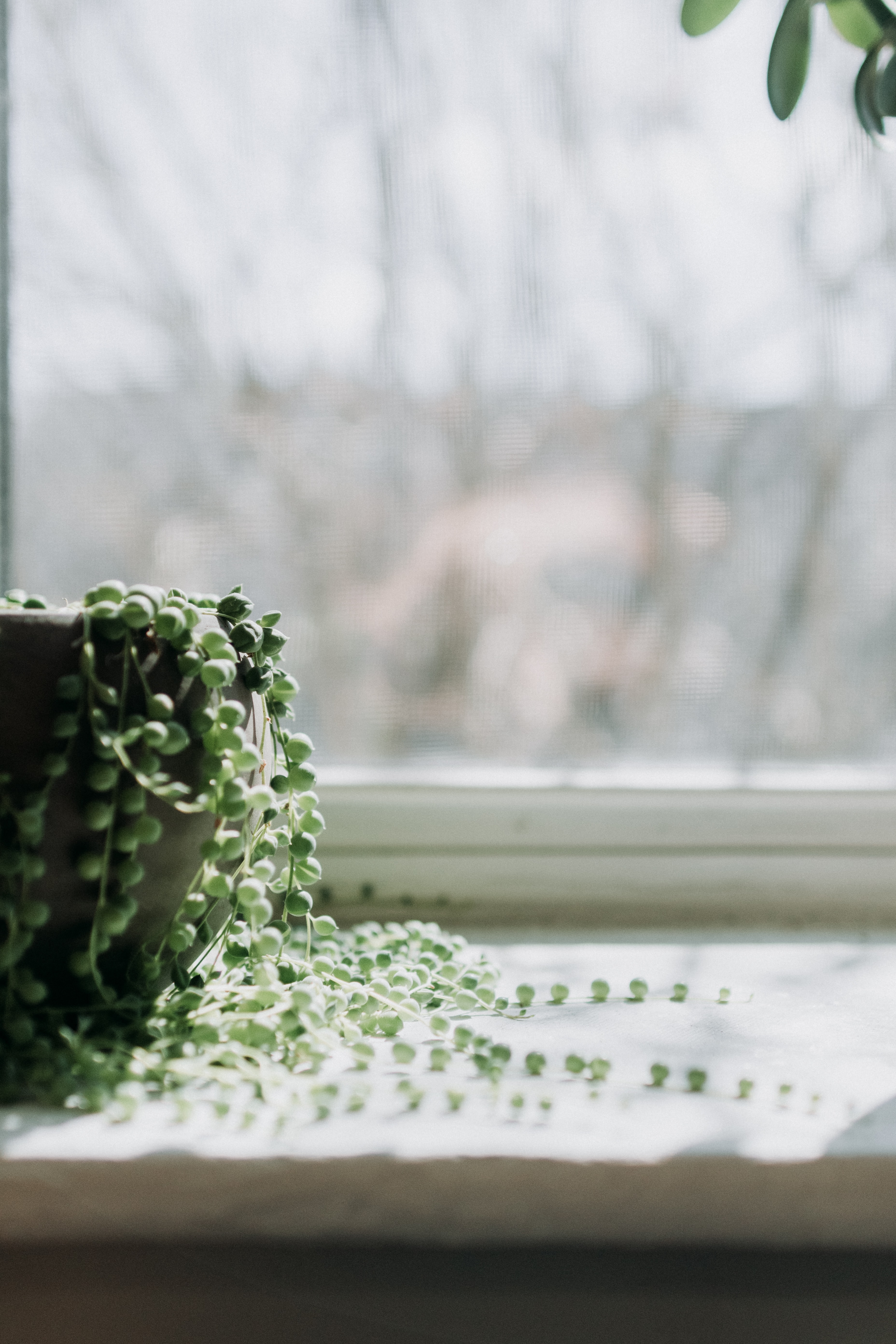
The string of pearl is an excellent choice if you are looking for a plant with unique leaf features. It resembles a chain of peas with its rounded leaf structure makes it very special, and it can be a centerpiece in your home. In the center of the pea, you will notice a slit of a window, and this is how the leaf gathers sunlight for photosynthesis. As you can imagine, this plant collects a lot of moisture into its leaf structure and is very drought resistant. I water my string of pearls every two weeks, and it is thriving very well in a desert-like environment. Be careful of young children and pets, as it can be toxic if ingested. However, it is one of the unique plants you will ever own in the home.
4. The string of turtles

The string of turtle is another trailing plant that you should try. It has these beautiful patterns on the leaves that give its name. It is also a semi-succulent plant that is drought resistant. Like the string of pearls, I water this plant every two weeks. In nature, the string of turtles grows nearby the roots of large trees. Therefore it loves a humid climate as it originates from the Brazilian rainforest. This plant is also straightforward to propagate. Place them into the water and let them sit in there for a few weeks will result in sprouting. The color will depend on the high light environment, and the leave structure can be small. Many people also keep this plant hanging outdoor and it will form a thick and long curtain on the patio of a home.
5. The hoya
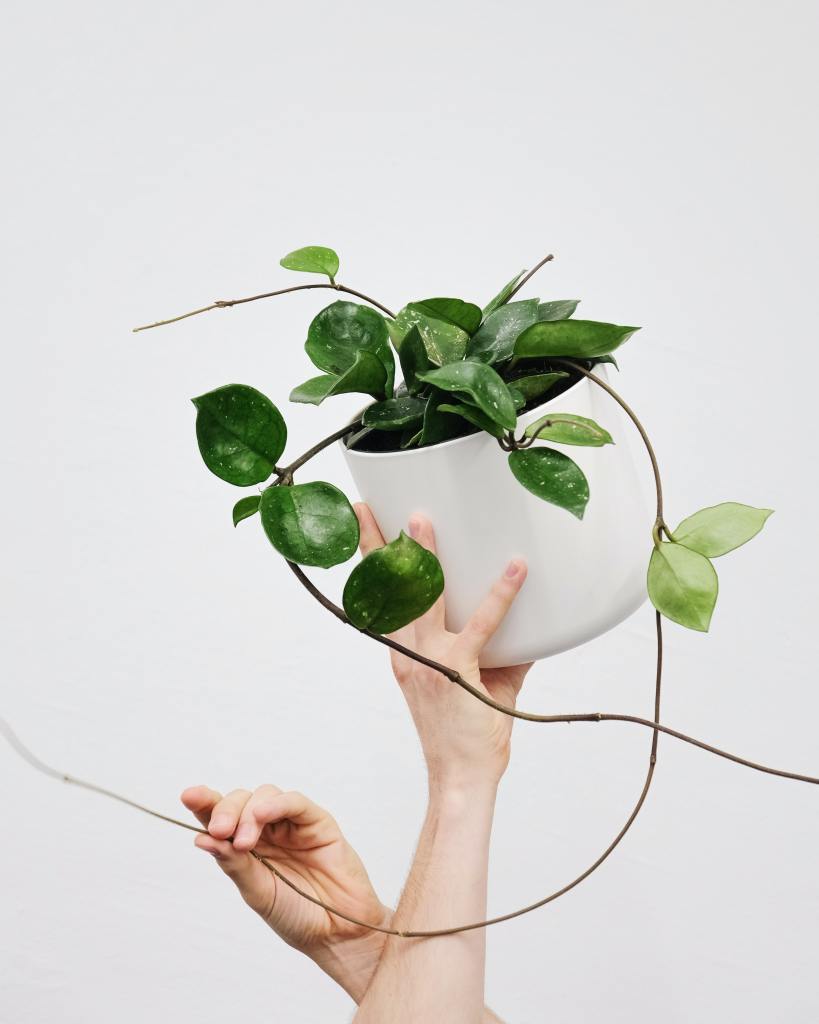
Last but not least, the hoya plant is also one of the best-looking trailing plants that gives your home an elegant look. It is an intermediate plant requiring more attention than the others mentioned above. There are so many variegated forms as well as different types of hoya. Notably, the hoya tricolor gives off three different colors of leaves- white, green, and pink. It is exquisite and vibrant for your home. People often keep the hoya plants on the bookshelf to give it a Medieval look. It gives off these long branches in order for it to search for nutrients. The leaves will then grow after the vining structures are entirely developed. It is also non-toxic to humans and pets, unlike the pothos or the rubber plant.
Have a wonderful weekend! Thank you so much for reading. Please like, comment, and subscribe if you enjoy content like this.
Check out my favorite collection of plant equipment:
Terracotta pots for fast-draining soil: https://amzn.to/3lyiVCd
Propagation station for baby plants: https://amzn.to/3LAsbk0
Stylish water meter to avoid over and under-watering: https://amzn.to/3MDR4fU
Best fast-draining Espoma soil for indoor plants: https://amzn.to/3GalDYb
Aspect grow light: https://amzn.to/39Js6Nq
Durable plastic saucers: https://amzn.to/3N1zHoA
Buy this water softening system if you want to DIY: https://amzn.to/3NduDOr
Measure your water hardness with this TDS meter: https://amzn.to/3Pi8Rei
Rooting hormone: https://amzn.to/38V1zwP