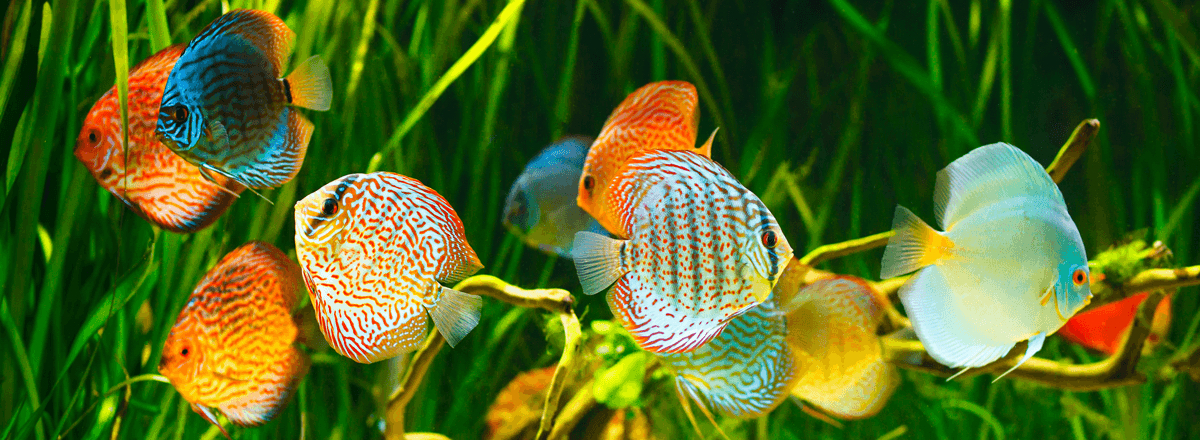
Water is life. The ability of you to control the quality of water equals success in the aquarium hobby. The source of water that you can use in the aquarium hobby can be challenging to understand. The water quality is different depending on the region you live in and the type of water treatment you have for your home. For example, the midwest of the United States tends to have hard water rich in calcium and magnesium from limestone. On the contrary, northeast and northwest of the United States have relatively soft water, similar to the Amazon river, which has little to no contamination and minerals. Therefore it is difficult for hobbyists to understand how to manipulate our water to keep the fish we want. In this article, we want to introduce you to the various water types that you may encounter, and hopefully, this can help you be successful in your aquarium hobby.
1. Tap water
It is by far one of the most diverse types of water. It is convenient as every home has tap water (or I hope so). As mentioned before, it depends on the region you live in. Some tap water is hard, and some that are not. The mineral content of tap water is very unpredictable, and it solely depends on your city. For example, Las Vegas has tap water rich in calcium carbonate, and if you measure it with a TDS meter, it can be as high as 550ppm! (with soft water about <100ppm).
In contrast, tap water in Seattle, as shown on the Aquarium Co-Op Youtube channel, their TDS from tap water is about 50ppm! Most important, tap water in the cities often has added fluoride, chlorine, and chloramine, and they are all detrimental to the health of your beneficial bacteria in the aquarium. Different aquarium fish require different amounts of minerals in the water, and therefore doing thorough research before starting the hobby would be very helpful. Tap water is great for beginners to get a hang of the upkeep of an aquarium.
2. Well water
 Next up is the well water. It is often collected as underground water and transferred to your home. It can contain a lot of contamination as it runs through the soil and limestone in the wild. According to many seasoned hobbyists, well water can contain an absurd amount of copper, fertilizers, and nitrates, which can be deadly to your inhabitants. If you have well water at your home, investing in a filtration system or frequent testing of your water using an API test kit would be helpful if you want to use this water for your aquarium. On the other hand, well water is great if you enjoy aquarium plants as well as house plants. The rich in minerals and nitrates will help your aquarium plants to thrive. In fact, most successful plant hobbyists endorse well water to aid in plant growth. Well water is great for both American as well as African cichlids aquariums.
3. Reverse Osmosis/Deionization water

RO/RODI water is great for most soft water fish keepers as RO water stripes away almost all of the minerals present in the water, including all the contaminants from your primary water source such as tap and well water. It certainly creates a blank slate for you to work on. The way to do it is to purchase a RO or RODI unit from a reputable source, like the BRS or your local water supplier. RO unit gives you almost 5-10 ppm water while RODI with the deionization resin will keep your TDS to 0ppm. Keep in mind that fish and shrimps also require nutrients/minerals to survive, so you will have to re-mineralize the water source. You can either mix the RO water with tap water or buy a commercial water re-mineralizer, like the salty shrimp products. This is by far one of the most hands-on ways to work with the freshwater aquarium, but I have had great success with my aquarium using an RO water source, as compared to the hard water that I have in Las Vegas. RO soft water is helpful in keeping fish like the Discus, which is naturally found in the Amazon rivers.
4. Softened water
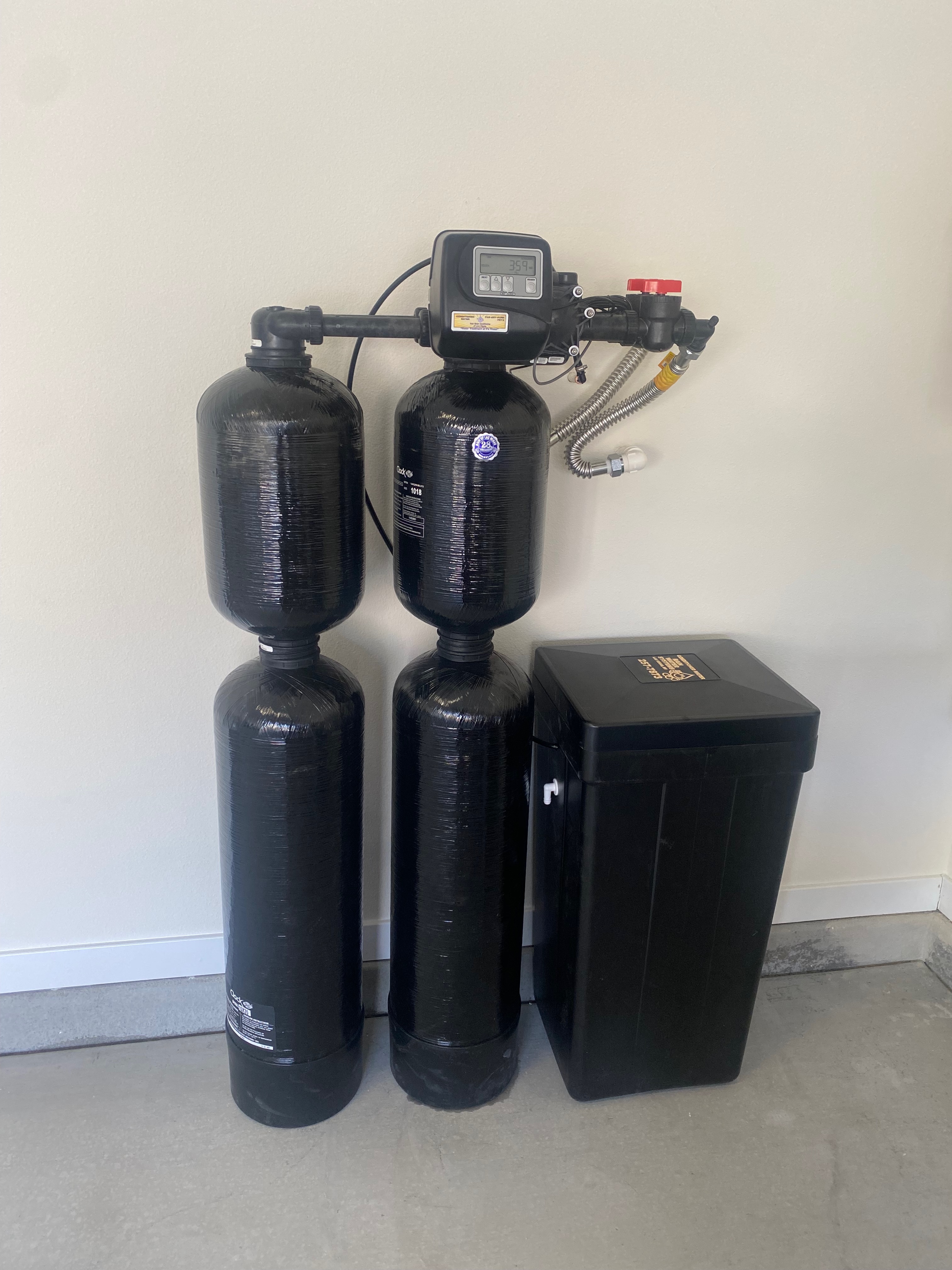 If you have a water softening system at home (see picture above), you probably have a softened tap water source. Contrary to popular belief, water softener does not soften your water. It reduces the amount of water deposit from calcium carbonate and magnesium by substituting those ions with sodium. Sodium does not form a deposit, and therefore, it does not clog our piping system in the home. This process is called ion exchange. It does not change the TDS of the water. Consequently, you won’t see watermarks on your sink, pipes, and kitchen appliances. Water with a water softener should be treated as tap water for fish-keeping. My experience with softened water is that the amount of sodium does not impact the health of my aquarium fish. The amount of sodium in our water is proportionate to the amount of calcium in the water. If your water is hard, there will be more sodium in the water. It does significantly help with cleaning as there is less water deposit around the aquarium. However, fish like the African cichlids love the calcium in the water, and therefore they will not thrive as well inside softened water. Also, shrimps like the caridinias do not suit well in hard water if the TDS is above 200ppm. Therefore, having a basic understanding of your tap and softened water will significantly impact the health of your aquarium.
Understanding the different water sources can help hobbyists to identify ways to improve our inhabitants’ health. You can start buying a reliable TDS meter and a commercial water test kit to find out the hardness of your water and start making small adjustments to your aquarium.