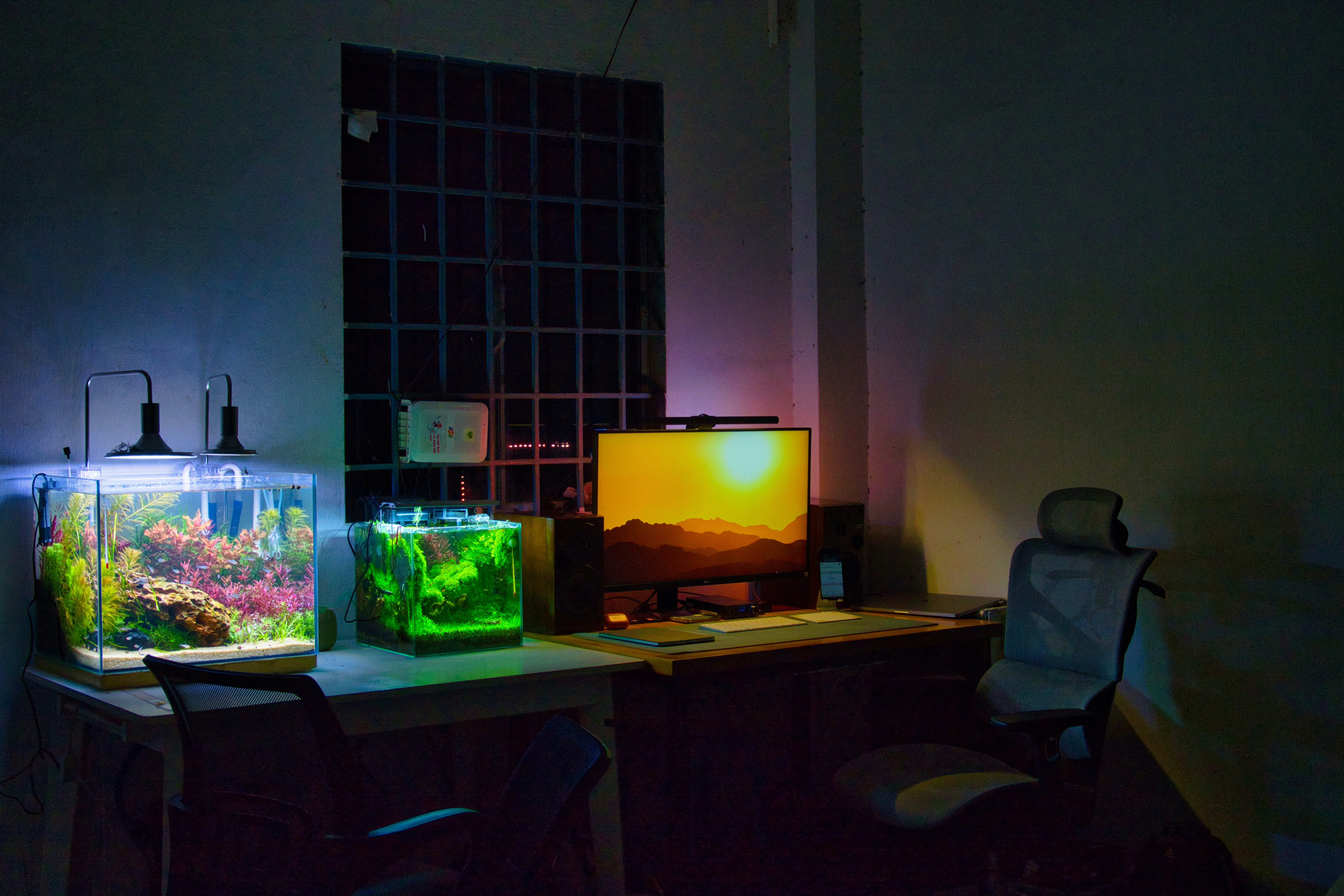
Nitrate is the end product of the nitrogen cycle. At a high level, it can be toxic to your aquarium inhabitants. There is no known concentration of nitrates that are proven to be unhealthy. However, the average hobbyist’s general nitrate level is about 40 ppm, as measured by test kits. Many studies show that different fish types can tolerate nitrate up to 200ppm before showing signs of distress. Symptoms like lethargy can be alarming since nitrate is a neurotoxin. Here are five strategies that you can use to reduce the level of nitrates in your aquarium,
1. Perform significant water changes more regularly.
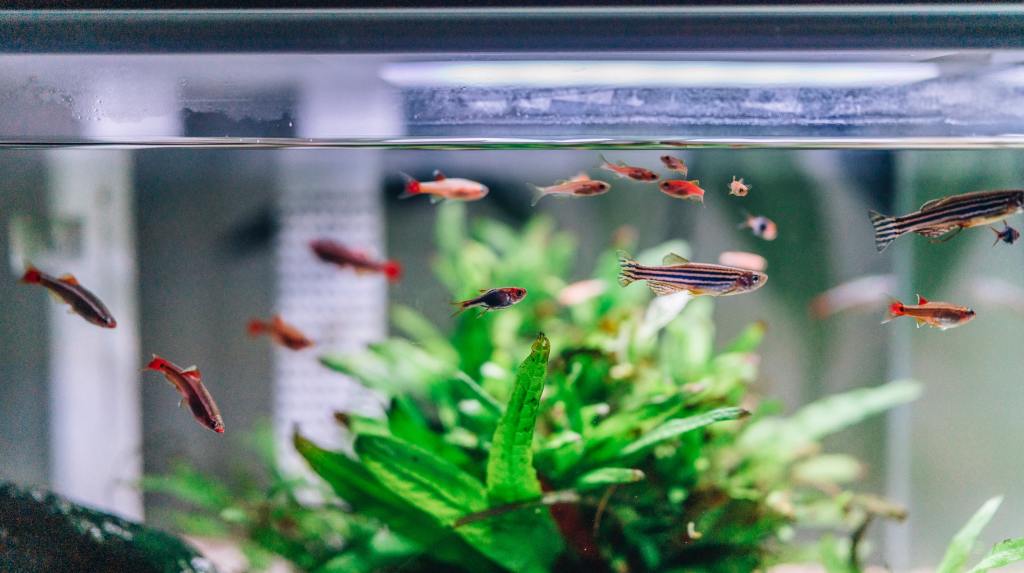
There is no secret to aquarium maintenance. Frequent significant water changes help with the quality of your aquarium and promote a healthy environment. If you have a baseline of 40ppm in your aquarium, by performing a fifty percent water change, you reduce it by 20ppm. It is simple! Note that some fish may not tolerate a sudden decrease of nitrate from a very high level to a low level. All things must remain in equilibrium. Same as fish, they are trying to reach homeostasis, and therefore a sudden shift in their environment, such as the nitrate level, can be detrimental. If your nitrate level is consistently 100ppm higher, you should slowly increase your water changes throughout the month to avoid casualties. Many fish breeders in Asia perform water changes daily! Some even 6-8 times per day to promote fish growth!
Change water with the Python system: https://amzn.to/3N0o5Cy
2. Clean your filter sponges and media monthly.
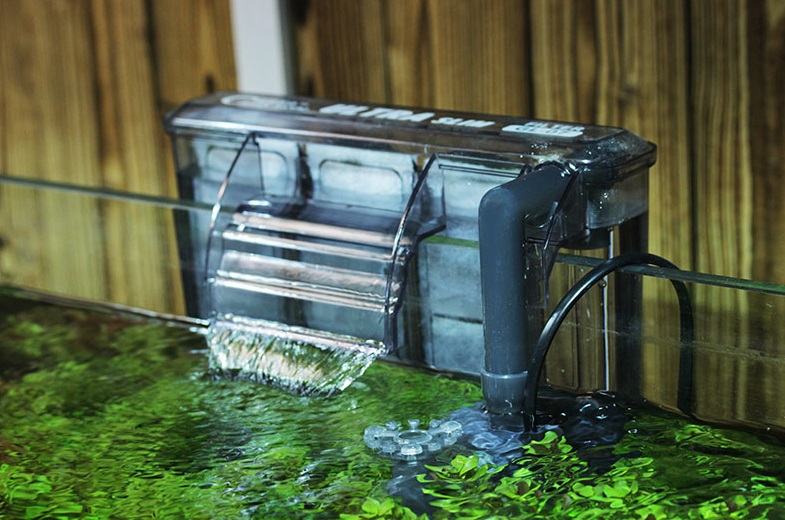
The aquarium filter is a nitrate factory. Detritus trapped in the sponges and filter floss will break down into ammonia and convert into nitrite and nitrate. If it is not cleaned regularly, it will continue to break down and pollute the water system. Starting with a monthly maintenance schedule help to prevent the build-up of residues. Replace the filter floss monthly and clean all the filter media thoroughly with dechlorinated or tank water is beneficial. Do not replace the ceramic rings or filter media but change the filter flosses. Again, everything is a balance, and you do not want to over-clean your filtration system because this is where the beneficial bacteria live.
Buy new filter floss here: https://amzn.to/3sfFuiQ
3. Add aquaponic plants.

Plants take nitrogen base compounds in the water and convert them into energy. It is known that it helps with ammonia and nitrate control in the aquarium. Nitrate control does not happen overnight until your plants are happy within the system. Most aquaponic plants need time to adjust to a new environment. One way to tell is to look at the plant’s root system. If you see hair roots, it is probably soaking up those nitrates. In my experience, this does not happen until 3-4 months after planting. You can place these plants into your filter or directly into the aquarium (see picture). The most common plant that is safe for fish is the Pothos plant. It is beautiful, and it vines around the aquarium. It has different varieties, such as the golden pothos and lemon pothos, and they are all good for the aquarium. My pothos is now established, and I am enjoying my <10ppm of nitrate every day.
Put your plants in the Aquaclear filter: https://amzn.to/39OaAYJ
4. Reduce feeding to your aquarium inhabitants.
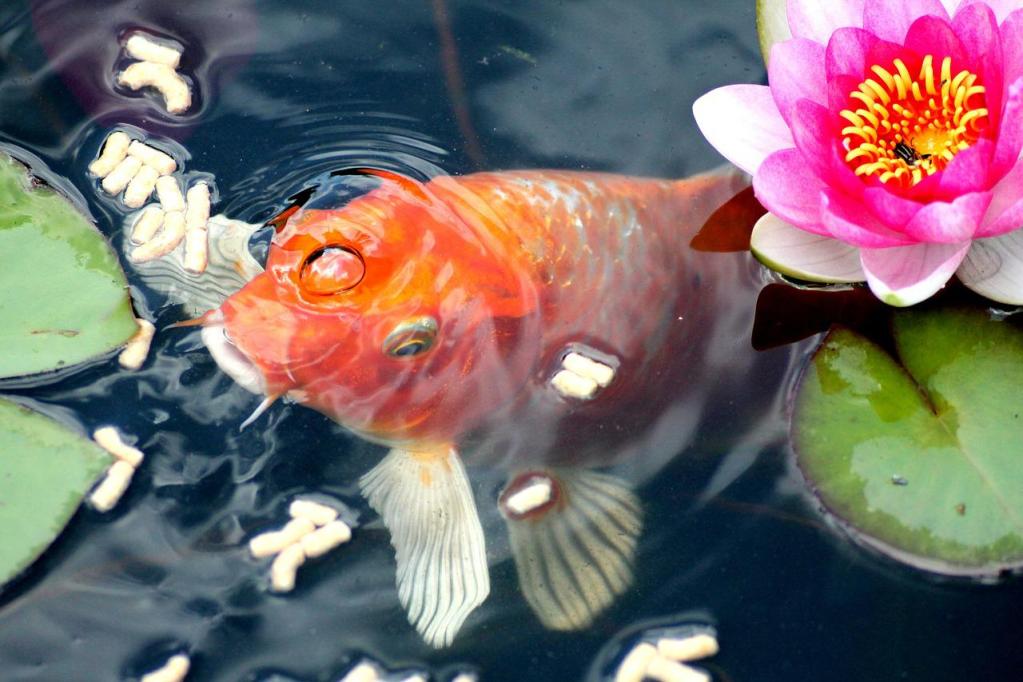
Nitrogen compounds come from fish waste and the food you put into the aquarium. If you plan on power feeding to promote fish growth, you should frequently perform water changes to compensate for the nitrogenous waste you put into the aquarium. For most aquarium fish, namely predatory fish such as the African cichlids, feeding once daily is plenty of food as their digestive system is short. Prolonged feeding, therefore, promotes bloating and destroys the quality of the water. However, feeding 2-3 times daily may be necessary for herbivorous fish like the goldfish. Fish-breeders in Asia feed their fancy goldfish, such as the Ranchus, about 5-10 times daily! Measure your nitrate level closely every week to determine the frequency of water changes.
Here is micro pellet food that doesn’t pollute your water as much: https://amzn.to/3waC9Ts
5. Reduce the number of inhabitants in the system.
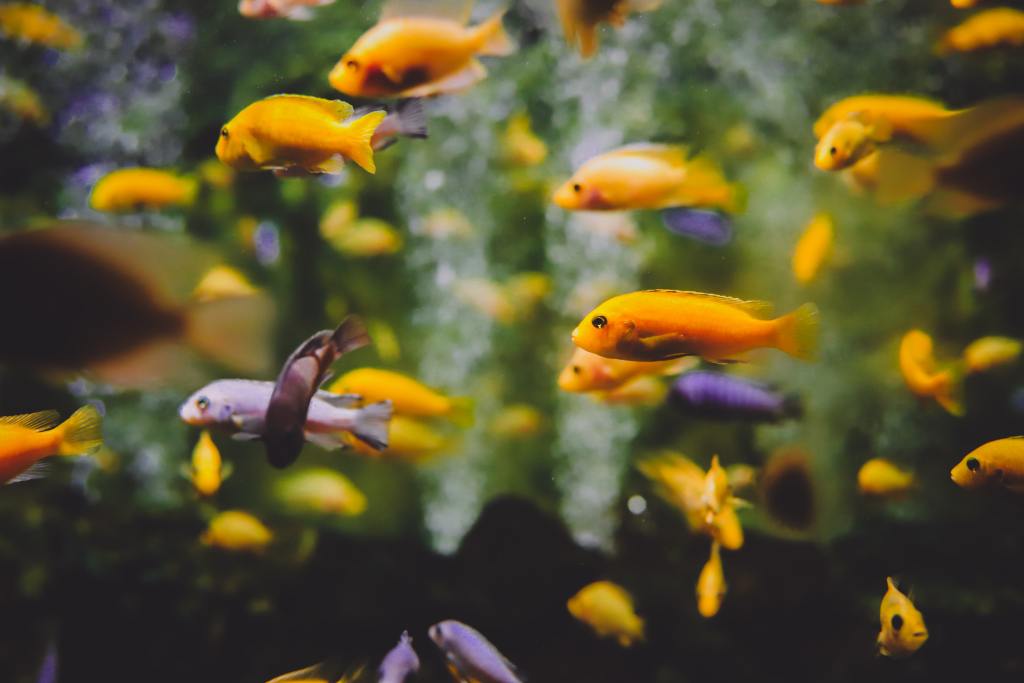
As hobbyists, we all love buying fish. It is no doubt that over-stocking is the number one killer of the aquarium hobby, other than over-feeding. The effect of over-stocking is compounded when the aquarium is not cycled correctly- meaning that it is still at the early stage of establishment. Therefore, toxic waste produced by inhabitants cannot be processed into nitrate effectively. This leads to even more toxic nitrogenous compounds such as ammonia and nitrite. At the beginning of fish-keeping, I recommend starting slow and gradually increasing the number of fish in your aquarium. If you see milky white water (bacterial bloom) or the smell of ammonia in your water, you know that you are overstocking the tank. Buying a larger aquarium also helps to dilute toxins such as nitrate more readily.
It is vital to keep nitrate at bay in our aquarium. We don’t want our inhabitants to survive, but we want them to thrive. Once you reach the level of stability, you will be so happy that you are doing everything right, and you will be able to enjoy the aquarium daily.