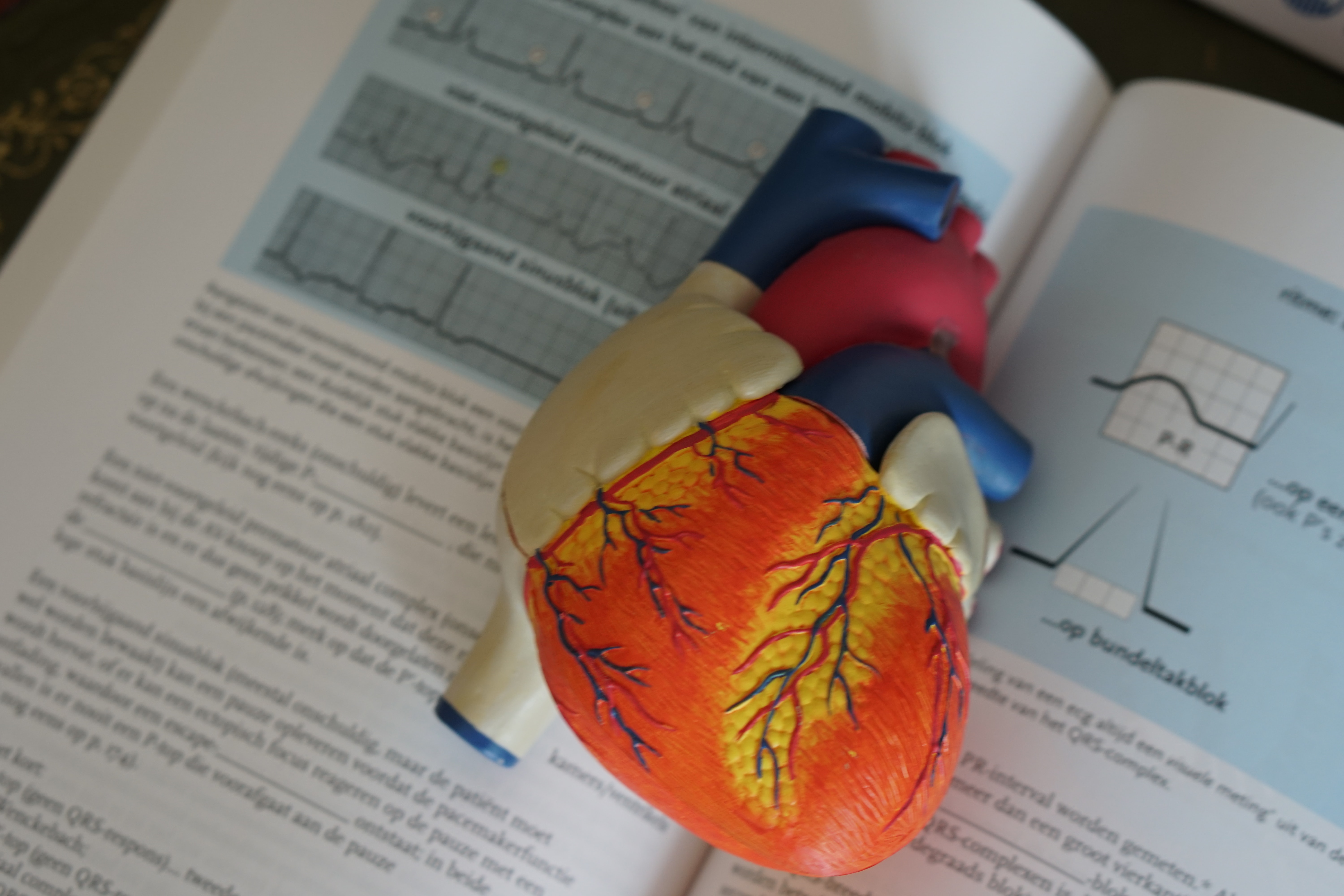
Becoming a physician is no easy task, yet thousands of students try to get into medical school each year. The dream of becoming a healer is standard in every culture. Healers receive the utmost respect from their community because of their sacrifices to improve the suffering in this world. The amount of work they put in to understand the intricacy of the human body is tremendous. As a physician, you deal with the physical health and the mental burden associated with diseases. I aspired to become a physician at a young age. As a first-generation doctor, here are the reasons I chose medicine as a career path.
1. You get to help other people at their worst.

Altruism is a virtue, and the ability to help others at their worst is a unique opportunity you would not experience with other professions. Nothing compares to the joy you get after making someone feel better. As a physician, you can help others by alleviating suffering. You can diagnose and treat various conditions. And you will be the one that explains to the patients and their family members what is going on. You carry patients’ hands at the last moment of their lives. You develop relationships with others that no other professions can provide. In my practice as a hospitalist, we discuss end-of-life and how to make sure my patients have the best quality of life despite the diagnoses of end-stage cancers.
2. Lifelong learning in science and hands-on experiences.

If you are into medicine, you have to be passionate about the sciences. Learning biomedical sciences can be overwhelming. People compare learning medicine to drinking out of a fire hydrant in medical school. The amount of information is vast, and you have little time to master them. However, the science behind medicine is fascinating. The human body is unique and learning the pathophysiology of diseases makes me appreciate my health. Knowing how the coagulation pathway works in synchrony to prevent us from bleeding from an injury is simply incredible.
Medical science changes every day. Because of this, you will have to continue with medical education for the rest of your career. Things that I know now may not be the same five years down the road, which makes this profession fascinating. On top of that, you get to translate what you learn into hands-on experiences to help others. For example, you understand how each medication interacts with the neurohormonal pathways in our system to lower blood pressure.
3. Leadership opportunities and teaching experiences.

As a physician, you are seen as the medical team leader, which is terrific. You also have teaching responsibilities for the new generation of learners, regardless of your type of practice. Most physicians wear more hats than you can think. Some physicians enjoy being a professor at an academic institution, and some love leading the hospital and non-profit organizations. For example, I am not only a hospital physician, but I am also a clinical instructor for my medical school.
On top of that, I help run an ultrasound curriculum for the residency program. Teaching also helps to consolidate and reinforce your medical knowledge. Since medicine is an ever-changing field, working with trainees put me on my A-game and allowed me to be up to date on my medical skills.
4. It has a wide variety of practices.

Medicine has a lot to offer to everybody. There are many types of practices and specialties that suit every personality. If you are interested in the demanding lifestyle of performing procedures, you can be a surgeon! If you are interested in treating cancer, you can be an oncologist! You can also act as a consultant for medical businesses, such as pharmaceutical companies. The opportunities are endless. You only need to find out your passion, and for sure, you will find something that fits your pallet. I have always been fascinated by the human heart and its pathophysiology. I am also interested in the treatment of cardiovascular diseases and the use of medical therapy. As a result, I am pursuing a career in Cardiology, which is a subspecialty of Internal Medicine.
5. Develop relationships with your colleagues and patients.

Most importantly, we all went into medicine to develop meaningful and long-lasting relationships with colleagues and patients. People trust their doctors and share their secrets with them. We are also granted the honor of helping them with the knowledge we gained from our studies. It is significant to be a physician, and I genuinely enjoy daily work. It is hard to explain, but it gives me the drive to continue with what I do because of the patients I encountered in my clinical experiences. You will never find a profession that does what we do as physicians, and I do not regret pursuing a medical career.
For my list of self-improvement items, check out the books that I recommend,
Rich Dad, Poor Dad: https://amzn.to/39d33lT
The 7 Habits of Highly Effective People: https://amzn.to/3M7JM3K
The Emporer of All Maladies: https://amzn.to/39Gj2ca
Gifted hands:https://amzn.to/38kp1mL