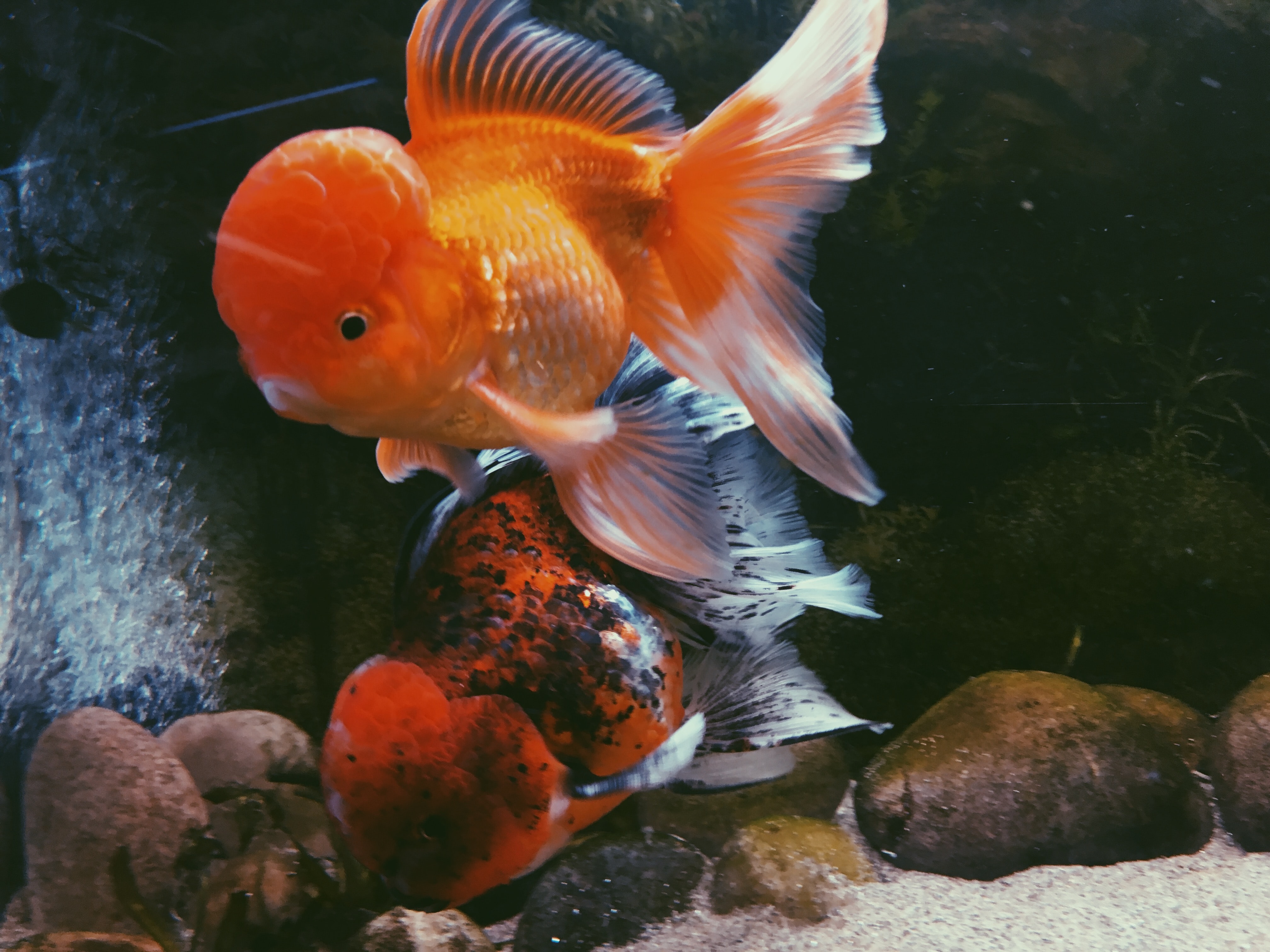
Cleaning the aquarium filter can be a daunting task, but it helps maintain a healthy ecosystem. It consists of not only mechanical but also biological filtration. It regulates the number of toxins and avoids the build-up of nitrogenous compounds like ammonia. It is recommended to maintain your hang-on-back and canister filters at least once a month. Here are the things that I do to support the filters in my aquariums.
1. Replace filter floss when it becomes clogged.

The use of filter floss helps to sparkle your water. Add a layer of filter floss on top of the sponges to filter all small debris from fish waste. However, the order of placement is essential. If you place the filter floss at the inflow of the filter, you may jeopardize the filtration system. One sign of clogged-up filter floss is that you will notice a decrease in the filter’s flow rate. This is even more noticeable if you are using a hang on the back filter. Worse yet, you may encounter an overflow of the media basket, which can spill out from the filter housing. The frequency of filter floss replacement depends on the amount of fish waste you have. I recommend replacing the filter floss at least once a month. Make sure to buy filter floss that is non-toxic and with no excessive coloring. I recommend using Poly-fil as I have had tremendous success in the past ten years.
Use this filter floss to keep your aquarium clean: https://amzn.to/38by61b
2. Rinse out sponges and filter media with tank water.

It is no secret that our sponges can become a nitrate factory as it traps fish waste. Depending on the number of fish you have, you may have to service the sponges more or less frequently. You will also notice the flow rate of the filter decreases as fish waste builds up. I service my sponges once a month or every other month. Be sure to use dechlorinated or tank water when you clean them. A Five-gallon bucket with water from the tank can be very helpful. Gently squeeze the sponges to get rid of the brown muddy fish waste until it is clear. And then place those sponges back. I seldom replace my sponges in my aquarium filters as they do not deteriorate. Remember that our beneficial bacteria also reside in the sponges as fish waste is their food source. If you use chlorinated water to clean them, you will have a massive die-off of the bacteria and crashes your nitrogen cycle.
I recommend this type of filter media: https://amzn.to/39M1Ths.
3. Replace activated carbon if you use them.
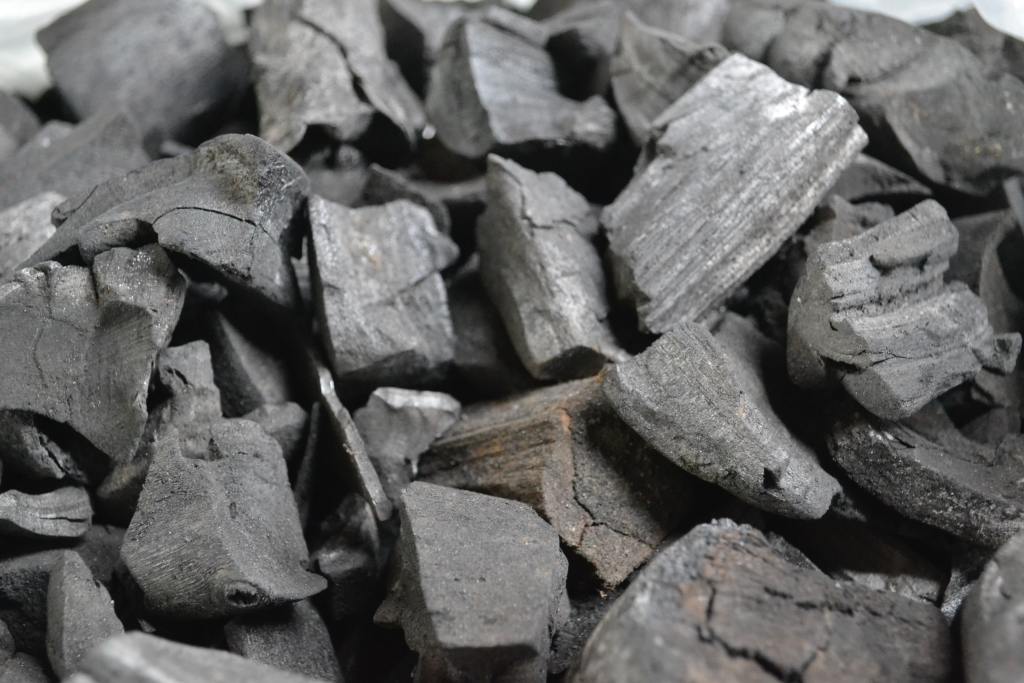
Activated carbon helps absorb toxic metals and reduce odor in our aquariums. It also reduces chlorine in the water to prevent interactions with beneficial bacteria. They are usually sold in a nylon bag, and the dry charcoal does not cause harm to your inhabitants. Some activated carbons, such as the Purigen, also have activated resins and can reduce the level of nitrates. Its benefits are tremendous! However, it is not required by the seasoned hobbyist to maintain a healthy aquarium using activated carbon. You only use them as an adjunct after successfully keeping a healthy ecosystem. I recommend replacing activated carbon every two to three months. I place them above the filter floss to avoid clogging the carbon nylon bags.
I use this type of pre-made activated carbon bag in all of my filters: https://amzn.to/3LXY3zM.
4. Trim down plants and their roots.

Plants can be of great help in reducing nitrates, which are neurotoxins to our inhabitants. However, plants are only helpful if you can plant them in a brightly lit area for them to photosynthesize. This is particularly helpful if you have a hang-on-back filter. Plants take 3-4 months to build up healthy root systems. Yellow and dying leaves are typical while transitioning from soil to water roots. It is essential to clean the roots well before placing them into your filter. Fertilizers on roots are deadly to organisms living in the aquarium, specifically invertebrates. Once your root system is established, you will need to continue to trim them down and take out old and dead leaves. If left untreated, old leaves and the root systems can become a breeding ground for mosquitoes and a source of ammonia.
5. Clean out the motor and spinning component of the filter.
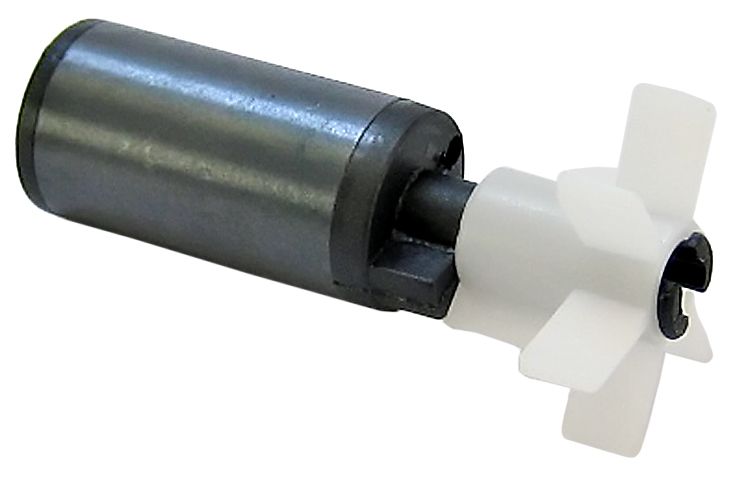
This is more advanced, but you can carefully take out the motor parts of your hang-on-back (Aquaclear) and the canister filter, disassemble them, and clean them with a toothbrush. With time, your motor parts tend to develop algae, and it can slow down the spinning component of the motor, which causes wear and tear to the device. It is also helpful to scrub down the side of the housing unit to keep everything looking pristine and organized.
You can buy your Aquaclear filters here: https://amzn.to/3MVDOD6
You will only need to maintain your filters once every month or two with all these maintenance tips. Remember, consistency is essential in this hobby. This will keep your devices running smoothly and prolong their longevity, saving a lot of money overall. The fish and inhabitants will also thank you and provide tremendous joy to your lives.