


Becoming a physician is no easy task. It is a decision that should not be taken lightly because of its long commitments. An average physician takes 10 to 12 years to complete their training. The length of training depends on the area of practice. Internal medicine requires four years of undergraduate, four years of medical school, and three years of residency training. It requires countless letters of recommendation, personal statements, and interviews. Worse yet, most applicants do not stay within the same state to attend their medical education. It puts a physical, financial, and emotional strain on our well-being. However, being a physician is one of the noblest careers. Being able to take care of our patients is an honor and privilege. I have been on the admission board for my medical school and residency. I read many applications and understand the ups and downs of this process. Here are some of the recommendations I have at different stages of medical training.
1. University

The first step of becoming a physician is to attend a university, unlike in the UK, where you can attend medical school straight out of high school. Historically, all pre-medical students attend university with a degree related to the medical sciences. Fields such as biomedical engineering, biology, and chemistry are often filled with pre-medical students. However, this is not a requirement. I would recommend you to attend a field that you find the most interesting. Some students may try to participate in a field that can potentially turn into a second career, such as electrical and mechanical engineering. You should pick an area of study that interests you the most. Some pursue philosophy, music, and even performance arts.
During university, you should fill all the pre-requisite classes for medical school. Make sure to visit your pre-medical advisor. They can give you invaluable information on the application process. Participate in a lot of research experiences during your undergraduate studies. This will distinguish you from a lot of other applicants. Preferably you should have publications and poster presentations. Please register for the MCAT early and study very hard for it. This test score will determine your eligibility to be interviewed for medical school. Do not apply to medical school until your portfolio is near completion. Re-application can damage your credential, and it can be difficult for you to enter the medical field. There are also a lot of computer screening algorithms for most medical schools, and therefore you must score well in school (high GPA) and the MCAT.
During the interview season, make sure to submit your application as early as possible. Medical school interviews are often first-come-first-serve. If you apply at the end of the cycle, you will most likely be screened out as all the spots are already offered. The acceptances are offered as the interview season progresses. Know your application inside out and be able to explain every detail of it, including research and leadership experiences. I have seen so many applicants who do not know their research but claim to have significant experiences with the laboratory. Trust me. We are all doctors, and we know what is current in the field. And we know when you are lying on your apps.
2. Medical school

Medical schools are four-year programs. The first two will be dedicated to classroom studies, and the latter will be clinical training. You will learn about the basic anatomy and the pathophysiology of the human body. You will also have the opportunity to learn physical examinations with standardized patients called the OSCE. These are all very exciting!
I believe getting into medical school is the most challenging part of our medical journey. And you have finally made it! During medical school, you will have numerous board examinations, such as the USMLE step 1 and 2. These will occur in year two and year 3/4. These examinations again will determine where you will match for residency. Fortunately, the step 1 exam is now pass/fail. But training programs put a lot of emphasis on these scores because this is the primary way to screen out thousands of applicants. Again, you will have to work on personal statements and letters of recommendation in your fourth year. You will also spend most of your fourth year on interviews, either virtual or in person. Make sure to do well on those exams. Participate in a lot of research. Use resources like the Uworld question bank, Pathoma, and First-Aid as early as possible. I cannot emphasize enough on this. The residency programs screen out low board scores, negatively impacting your application.
Doing well on your clinical rotations is essential. It is reflected in your Medical Student Performance Evaluation (MSPE). MSPE is the collection of documents you will submit to each residency program at the end of your medical school journey. It includes your evaluations from different rotations in the third and fourth years of medical school. Don’t slack off on rotations that you are not interested in. This is a common mistake I see in applicants. Reviewers actively look for other rotations that you are not interested in to gauge your work ethic. People with poor work ethic show their colors when they are on an off-rotation. It is important to honor as many rotations as you can. Overall it will play an essential factor in your Match.
3. Residency
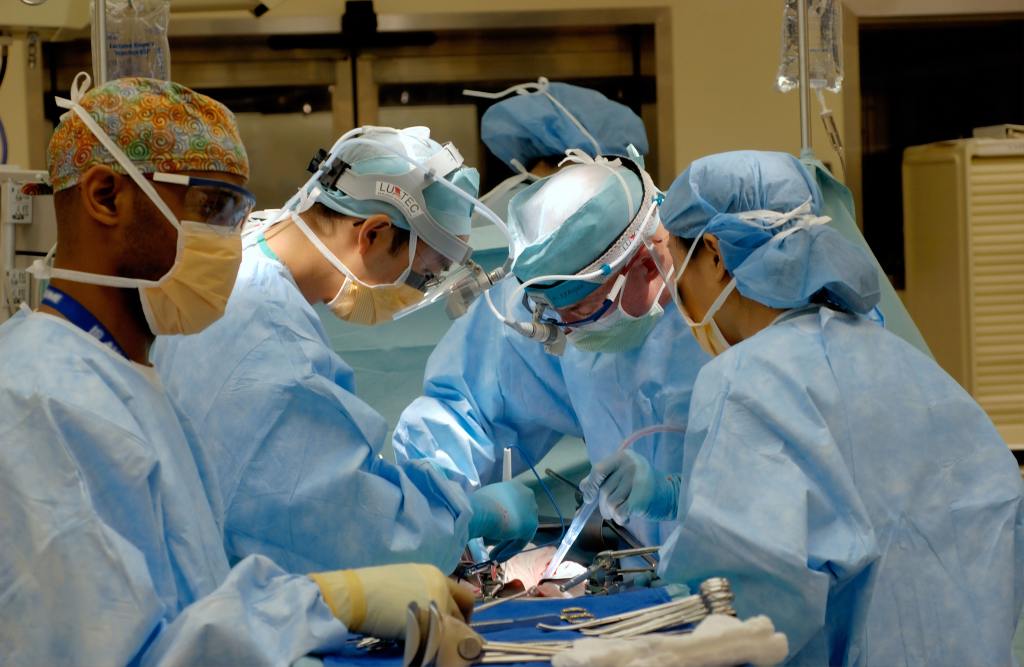

Residency is post-graduate training after medical school. Depending on what you sign up for, you will spend a significant amount of time practicing in a particular field. An average resident work somewhere between 60 to 80 hours per week. Fortunately, they no longer have to be on call for over 30 hours in a row, thanks to the ACGME, the governing body for residency training programs. I went to an Internal Medicine residency and am currently specializing in Cardiovascular Diseases.
The length of residency depends on your training. General surgery requires at least five years of training, while Family Medicine requires three years. You also have the opportunity to attend further subspecialization via a fellowship, which can range from one to three years. During the first year of residency, it is also called an internship. You will have a stream of constant evaluation from faculty to ensure you can progress in the program. The final USMLE examination also happens during the first year of your residency. After completing all three steps, you are eligible to take the board examination. You will also take the in-training exam every year until you graduate.
In your last year of residency, you can decide if you would like to enter the workforce or go on with a fellowship. If you want further training, you will need to work on LOR and personal statements again and apply. I chose the fellowship because I love learning about cardiac diseases and would like to become a cardiologist. However, you don’t have to if you decide to work. Your work hour will decrease from 60 to 80 hours to 40 to 50 hours per week, making it much more manageable and with an excellent salary.
4. Optional: Fellowship and sub-fellowship

The last step of your medical training would end with a fellowship if you decided to keep going. Fellowships are training beyond residency to help you sub-specialize within a field. If you are in Internal Medicine, you can choose from various interesting fields like Cardiology, Nephrology, Pulmonology, Rheumatology, etc. If you are in General Surgery, you can select Colorectal Surgery, Thoracic Surgery, and Trauma. At this stage, your salary would have improved from the previous years. You are also less fatigue as you do not have to be on call as frequently as the residents. However, you are still under training, and therefore, it still contains a large amount of work in the hospital. You will also continue with your teaching and research obligations. You will take your board examination by the end of your fellowship. For example, Cardiology fellows often have to take the Echocardiography board, General Cardiology board, and the CT board exam.
Thank you so much for reading my blog, and I hope this information is helpful for you. The medical journey is long, but it is incredibly fulfilling. If you are interested in becoming a physician, we welcome you to our family. Please comment, like, and subscribe. I look forward to hearing from you.
For my list of self-improvement items, check out the books that I recommend,
Rich Dad, Poor Dad: https://amzn.to/39d33lT
The 7 Habits of Highly Effective People: https://amzn.to/3M7JM3K
The Emporer of All Maladies: https://amzn.to/39Gj2ca
Gifted hands:https://amzn.to/38kp1mL
The Power of Habits: https://amzn.to/3MpwHmk
Cook County ICU Interesting Cases: https://amzn.to/3lgzpPp
For USMLE step exam prep books, I recommend:
First Aid Step 1: https://amzn.to/3lyKxXR
First Aid Step 2 CK: https://amzn.to/3G9eYNM
Master the Board Step 3: https://amzn.to/3ly5uCi